
Facing an unexpected personal emergency can be extremely stressful and difficult to handle. If you’re going through a rough financial patch and your bank account doesn’t quite cover the cost of your pressing expense, an emergency loan may be worth considering.
Let’s explore emergency loans in Canada, how they work, and any potential drawbacks to be wary of.
Key Points
- Emergency loans in Canada provide fast, short-term funding for urgent expenses, but often come with higher interest rates and fees than traditional loans.
- Borrowers can access emergency funds through online lenders, payday lenders, cash advances, and credit lines, with many options offering near-instant approval.
- Even applicants with bad credit may qualify for emergency loans, as many alternative lenders evaluate overall financial stability rather than relying on credit scores.
What Is An Emergency Loan?
An emergency loan is a short‑term borrowing option designed to provide quick access to funds during unexpected financial situations, such as medical bills, car repairs, or even pet emergencies. These loans are typically easier to qualify for, and funds are disbursed faster than traditional loans, helping borrowers cover immediate needs.
However, they typically come with higher rates, making them more expensive than conventional loans.
Where Can You Get An Emergency Loan In Canada?





Can You Get An Emergency Loan Immediately?
Funds are typically accessible very quickly after application approval. That said, loan approval and deposit times vary from lender to lender.
However, there are several ways you can get an emergency loan in Canada within a few minutes or hours of applying:
Use A Payday Lender In Person
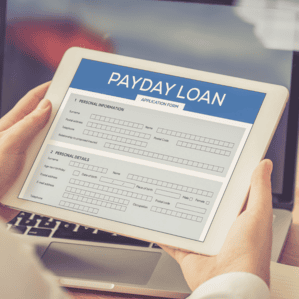
If you need emergency cash but don’t have a great credit score or income, a payday loan may be an option. Payday loans are small loans of up to $1,500, with very short terms and easy approval requirements. Depending on the lender, these lenders can provide you with small loans in as little as a few minutes after approval.
| Warning: Payday loans come with extremely high fees and interest rates that can trap borrowers in a cycle of debt. It’s important to explore safer alternatives before relying on them. |
Apply For An Online Loan
Most banks, credit unions, and alternative lenders offer some form of personal loan on their website or at their place of business. Each lender has different loan requirements, costs and conditions, but it’s usually easier to qualify for a large loan with a low-interest rate if you apply with a good credit score, monthly income and debt-to-income ratio.
Generally, you can get faster access to cash with an online lender than a bank. Online lenders typically have flexible lending standards and automated underwriting processes. Some online personal loan lenders offer funding within 24 to 48 hours of applying.
| Instant Bank Verification (IBV) Instant bank verification is a secure process that allows lenders to quickly confirm your bank account details and transaction history in real time. Instead of uploading paper statements or waiting days for manual checks, IBV connects directly to your bank to verify financial information almost instantly, reducing fraud risk and speeding up approvals. |
Get A Credit Card Cash Advance
You can also use a credit card to withdraw cash immediately from your credit limit at an ATM or authorized service point through a cash advance. That way, you can access cash right away without having to apply for a loan and for fund disbursement.
| Note: While convenient and quick, cash advances often come with tons of fees and interest rates that are higher than the average credit card purchase rate. Plus, interest will be added to the borrowed amount right away and will continue accumulating until the advance is repaid. |
| Lender | Product | Interest Rate | Amount | Fees | Availability | Apply |
|---|---|---|---|---|---|---|
 Bree Bree | Cash advance line of credit | 0% | Up to $750 | Optional $2.99/month membership fee |
| Apply |
 Nyble Nyble | Credit building line of credit | 0% | Up to $250 | FreeOptional $11.99/month membership fee with added perks |
| Apply |
 KOHO Cover KOHO Cover | Cash advance loan | 0% | Up to $500 | Starting at $2/month |
| Apply |
Can You Get A Personal Emergency Loan With Bad Credit?
Yes, there are many online and alternative lenders out there who exclusively cater to borrowers with low or bad credit. These lenders look at other aspects of your financial profile to determine your creditworthiness, like your income, debt-to-income ratio, and more.
You can also offer security and provide a co-signer to help increase your approval odds.
Learn more: Bad Credit Loans
Borrow Up To $50,000
Types Of Lenders You Can Get An Emergency Personal Loan
| Types Of Lenders | Definition | Approximate Interest Rates | Lender Examples |
| Banks | Major financial institutions like Canada’s Big Five banks offer personal loans. They generally offer the best rates but have strict requirements. | 0.5% - 15% | - TD - BMO - RBC - CIBC - Scotiabank - Laurentian Bank of Canada |
| Credit Unions | Credit unions are non-profit organizations that are owned by their members. They offer smaller loans than banks but rates are still affordable. Requirements are also more flexible than banks, but you must be a member (of the credit union) to get a loan. | 3% or more | - Fusion Credit Union - First West Credit Union - PACE Credit Union - DUCA Credit Union - Meridian Credit Union - Vancity Credit Union - Ganaraska Financial Credit Union |
| Private Lenders | Private lenders are easier to qualify for than banks due to their flexible lending standards. Even those with poor credit may qualify, however, they often charge much higher rates than banks, making them a more expensive option. | 8% - 35% | - Spring Financial - LendDirect - LoanMeNow - Consumer Capital Canada - Mogo |
Are You Eligible For A Personal Emergency Loan?
Emergency loans in Canada typically have very lax requirements, but exact eligibility varies by lender and loan type. General requirements are as follows:
- Age Requirement: You must be the age of majority in your province.
- Residency: Applicants must be Canadian residents with a valid government‑issued ID.
- Income Verification: Proof of steady income is usually required to demonstrate repayment ability.
- Bank Account: An active bank account is necessary for direct deposit of funds and repayment withdrawals.
- Credit History: Some lenders check credit scores, but many emergency loan providers accept applicants with fair or poor credit. Payday lenders do not typically require good credit.
How To Apply For A Personal Emergency Loan In Canada
To apply for a personal emergency loan in Canada, follow these steps:
Step 1: Gather Your Documents
While every lender sets their own specific approval requirements, there are certain documents and pieces of information that you must submit to apply for most loans in Canada. For instance, may have to include these details on your application:
- Your full name, date of birth, home address and email
- Your Social Insurance Number (SIN) and employment information
- Information about your other debts and liabilities (mortgage, car payments, etc.)
- How much cash you wish to borrow
- Permission for the lender to check your credit report and payment history.
Documents Required For A Personal Emergency Loan
When applying for a personal emergency loan, you’ll usually need to provide the following documents:
- At least one piece of government photo ID (passport, driver’s license, etc.)
- Your most recent bank statements
- A recent pay stub or letter from your employer as proof of income
- A pre-authorized debit form or VOID cheque
Step 2: Apply
Once you have the necessary documents ready, you can start applying for your loan. You can choose to do this online or in-person if the lender has a physical office. To secure the best rates and terms, be sure to compare loan offers by first getting pre-approved.
Once you’ve settled on a lender, you can complete your loan application and provide all the necessary documents.
Step 3: Get Funded
If your information checks out, your lender will send you a notice of approval. Then, all you need to do is sign and submit your loan agreement. Depending on where and when you apply, you should receive your funds by direct deposit or e-transfer within 1 or 2 business days.
As mentioned, some lenders will even deposit their loans within a few minutes or hours.
Learn more: How To Apply For A Loan
What Can An Emergency Loan Help With?
Personal emergency loans are for everyone in any kind of situation, whether you’ve had an unfortunate medical emergency, your car broke down or the plumbing in your house has sprung a leak.
The great thing about emergency loans is that once you’re approved, you get to decide what to do with the money; you can cover whatever costs you need to cover. A personal emergency loan can:
- Cover the initial costs of the emergency
- Cover any additional costs
- Cover living expenses if you need to take time off
- Help you get back on your feet
- Prevent you from racking up high-interest credit card debt
How To Choose An Emergency Loan Lender
To choose an emergency loan lender, consider the following tips:
Check Licensing
Ensure the lender is registered in your province and complies with Canadian lending laws. Avoid unlicensed payday lenders that may charge illegal rates or hidden fees.
Compare Interest Rates & Fees
Emergency loans typically come with higher costs than traditional loans. Look for lenders that clearly disclose their rates, fees, and penalties upfront.
Consider Speed Of Funding
Some lenders can deposit funds within a few minutes to 24 hours, while others may take several days. Find out how long it takes the lender to disperse funds, and prioritize lenders who offer instant or same‑day approval and funding.
Review Repayment Terms
Flexible repayment schedules are safer and easier to manage than strict short‑term deadlines. Further, check if early repayment is allowed without penalties.
Consider Credit Requirements
Many emergency loan providers accept bad credit applicants. However, some conduct credit checks and may require healthy credit. If you have stronger credit, you may qualify for lower rates through banks or credit unions. You can check your credit score for free by using CompareHub before applying for a loan.
Assess Customer Service
Reliable lenders provide clear contracts and responsive support, which is important if there’s ever an issue you need help with.
Does The Government Offer Loans In An Emergency?
The Canadian government doesn’t directly provide emergency loans to individuals. Instead, it offers benefit programs and specialized support. Here are some options to consider:
Rent Assistance
Rent assistance programs are available in Canada through both federal and provincial programs, which help low‑income households afford housing. The Canada Housing Benefit, for instance, provides direct financial support to eligible renters, while provinces and municipalities may offer additional rental help.
The goal of these programs is to reduce housing insecurity by covering part of monthly rent costs for those who qualify.
Learn more: Rent Assistance Programs In Canada
Government Benefits
- Social Assistance. Each province operates its own social assistance program designed to provide financial support for individuals who cannot afford essential needs, such as food, clothing, and housing.
- Employment Insurance (EI). Employment Insurance is a federal program that offers temporary income support to those who have lost their jobs. Applicants must meet eligibility requirements, including having paid EI premiums in the previous year and meeting specific qualifying conditions.
- Disability Assistance Programs.The federal and provincial governments each offer programs designed to help offset certain costs of living with a disability.
Learn more: Government Benefit Programs


Final Thoughts
When unexpected expenses arise, an emergency loan can offer you a quick fix. Fast, flexible, and hassle-free, emergency loans can provide you with the funding you need and help you get back on your feet financially, without having to wait days for the much-needed cash.