Loans For Newcomers In Canada: Build Credit & Access Affordable Financing


Yes, you can get loans for newcomers in Canada, including personal loans, lines of credit, credit cards, car loans and mortgages, whether you're a permanent resident or here on a work or study permit. While Canada is a land of great opportunity for many newcomers, there are many challenges. As a new immigrant, you have to re-establish yourself. You might need to navigate college or university systems, find a job, find a home, apply for any relevant social support, and start building your credit.
Unfortunately, settling in Canada isn't cheap, and sometimes you'll need to borrow money. Here's what loans are available to immigrants in Canada, who qualifies, and how to improve your chances of approval.
Key Points
- Newcomers may be able to access a variety of loan products, including personal loans, lines of credit, car loans and mortgages, though this doesn't mean they'll qualify for every product.
- You don't always need to be a permanent resident to borrow, as some banks and alternative lenders work with people on work and study permits.
- Many banks offer packages specially designed for newcomers, often including a credit card you can get without a Canadian credit history.
- Newcomers who are unable to get financing through a bank can opt for loans from private lenders, which are easier to qualify for but usually more expensive.
- You can strengthen your chances of approval by building your credit profile, securing steady employment, and increasing your overall financial stability.
Can You Get A Loan As A Newcomer In Canada?
Newcomers in Canada can qualify for loans, but approval isn't always straightforward. Your ability to borrow will depend on factors like your residency status, income stability, and overall financial profile.
Lenders in Canada typically look for strong credit, steady earnings, and manageable debt levels before offering their best loan rates and terms.
Why Is It Difficult For Newcomers To Get Loans?
Even if you earn a solid income and keep your debts low, you may still run into obstacles simply because you don't yet have a Canadian credit record. Credit scores don't transfer from other countries, so immigrants must begin building their credit history from the ground up once they arrive.
The upside is that establishing new credit is usually far easier than repairing damaged credit. And there are plenty of lenders and programs designed specifically to support newcomers as they settle in.
If you're unsure whether you have a credit score in Canada, you can check yours for free using Loans Canada's Compare Hub.
Where Can You Get A Loan As A Newcomer In Canada?
As a newcomer, you can get a loan from a private or alternative lender, a bank, a charity like Windmill Microlending, or, if you're a resettled refugee, the federal government. Alternative lenders are the easiest to get approved with but cost more, while banks offer lower rates but are harder to qualify for without a Canadian credit history.
Private And Alternative Lenders
Private lenders offer loans with less strict requirements than banks normally have. In exchange for accepting a lower income or credit score, private lenders charge higher interest to make up for the risk.
Unlike banks, many alternative lenders will also offer loans to newcomers who have an alternative source of income, such as self-employment income, a pension, or government benefits like the Canada Child Benefit (CCB), Employment Insurance (EI) and disability benefits. Here's how some of them compare:
Risk-free · No obligation Take the guesswork out of borrowing Apply once with Loans Canada and get real pre-qualified offers from Canada's trusted lenders.Lender Amount Rate Term Apply Details  Spring Financial Personal Loan
$500 – $35,000 9.99% – 34.95% 6 – 84 months APPLY NOW Show More  Mogo Line of Credit
Up to $5,000 34.37% Open-ended APPLY NOW Show More  easyfinancial Personal Loan (Unsecured)
$500 – $20,000 29.99% – 34.95% 9 – 84 months APPLY NOW Show More  Cash Money Line of Credit
Up to $10,000 34.99% 6 - 60 months APPLY NOW Show More  Cashco Personal Loan · Flex Loan
Up to $9,000 35% 6 – 60 months APPLY NOW Show More  iCash Payday Loan
Up to $1,500 $14 per $100 Up to 62 days APPLY NOW Show More  Nyble Line Of Credit
$30 – $250 0% Open-ended APPLY NOW Show More  Bree Cash Advance
Up to $750 0% Up to 90 days APPLY NOW Show More  SkyCap Financial Personal Loan
$500 – $100,000 8.99% – 35% 9 – 60 months APPLY NOW Show More  Magical Credit Magical Installment Loans
$1,500 – $20,000 34.86% 12 – 78 payments months APPLY NOW Show More  Green Loans Personal Loan
$100 – $1,000 22% - 35% Depends on loan amount APPLY NOW Show More  AimFinance Personal Loan
$100 – $1,000 29% – 35% 9 – 24 months APPLY NOW Show More
Learn more: Private Loans
Banks
In Canada, you generally need good credit and healthy finances to access loans from banks. However, some banks offer specialized loan offers for newcomers. Instead of credit requirements, they may have strict income and employment requirements. They may also require collateral as security or a higher down payment for car loans or mortgages.
Many banks also offer newcomer programs that give you access to credit without a Canadian credit history. Here's what you can get through each program and who qualifies:
| Bank Program | Credit You Can Access | Who Qualifies |
|---|---|---|
| RBC Newcomer Advantage | Credit card with no credit history required (limit up to $15,000), plus car loans and mortgages for newcomers | Credit card: permanent residents who arrived in the last 12 months or foreign workers who arrived in the last 48 months, with an RBC bank account |
| TD New To Canada Banking Package | Credit card with no credit history required (limit up to $15,000), plus newcomer mortgage options | Permanent or temporary residents in Canada for 5 years or less (visitors aren't eligible); apply at a branch with proof of status and photo ID |
| CIBC Newcomers Program | Credit card with no credit history or deposit needed (higher limit up to $15,000 at a CIBC Banking Centre), plus mortgage programs without Canadian credit history | Permanent residents who got their status in the last 5 years, or foreign workers with a work permit for at least 12 months |
| Scotiabank StartRight | Credit card with no credit history required (limit up to $15,000), plus car financing and a newcomer mortgage | Permanent residents in Canada for less than 5 years, foreign workers and international students |
| BMO NewStart | Credit card with no credit history required (secured card if you don't qualify), plus newcomer mortgage options | Permanent residents or foreign workers who arrived in the last 5 years, with proof of status like a PR card or work permit |
Getting into a newcomer program doesn't guarantee approval for a loan or a specific credit limit. The bank still checks your income, employment and debt, and offers change often, so confirm the current terms with the bank before you apply.
Windmill Microlending
Windmill Microlending is a Canadian charity that provides affordable loans to skilled immigrants and refugees. It has helped thousands of newcomers to Canada cover the costs of accreditation and career development.
Those with specific skills, training, and education who are new to Canada may find it difficult to advance their careers due to financial hurdles. With Windmill Microlending's low-interest microloans, underemployed immigrants can access credit despite their low income or lack of credit history in Canada.
What Does Windmill Microlending Offer?
Windmill Microlending offers loans of up to $15,000 at a fixed interest rate of 6.7% that won't change over the term (5.95% in Quebec). Windmill Microlending also provides the following:
- Career path coaching
- Mentorship
- Budgeting tools
- Financial planning advice
- Career development resources
You can use the money for numerous purposes, including qualifying examinations, assessments, training, educational materials, living allowance, relocation expenses and professional association fees.
Are There Government Loans For New Immigrants In Canada?
Yes, but they're mainly for refugees. The federal government's Immigration Loans Program (ILP), run by Immigration, Refugees and Citizenship Canada (IRCC), is mostly used by resettled refugees who can't get funding anywhere else. Approval depends on your need and your ability to repay. The program offers three kinds of loans:
Transportation Loans For Immigrants In Canada
This type of loan is meant to cover the costs associated with transportation for immigrants and their families from their home country to Canada. This may include the cost of travel to Canada and any IOM (International Organization for Migration) service fees. Travel is generally booked with the help of the IOM to be eligible for this loan.
Assistance Loans For Immigrants In Canada
The assistance loan is meant to help cover the costs of initial resettlement once you arrive in Canada, such as rental and utility deposits.
Right Of Permanent Residence Fee (RPRF) Loans
The RPRF loan helps eligible applicants cover the right of permanent residence fee. Refugees and members of the humanitarian-protected persons abroad class don't have to pay this fee, so the loan is for other eligible applicants. For more information about RPRF loans, visit the Government of Canada's RPRF webpage.
What Types Of Loans Can You Get As A Newcomer In Canada?
As a newcomer to Canada, you can access any type of loan so long as you meet the lender's criteria. This may include income, debt, and credit requirements.
Personal Loans For Newcomers In Canada
A personal loan provides funds that are repaid in installment payments over a specific term. Depending on the lender, loan amounts range from about $100 to $100,000, with terms from 6 months to 7 years. The loan may come with either a fixed or variable interest rate, and the funds can be used for just about any purpose, including the cost of advancing your career.
Secured Vs. Unsecured Personal Loans
Understanding the difference between secured and unsecured loans can help you choose the right option when borrowing for the first time in Canada:
| Unsecured Loans | Unsecured loans don't require collateral, meaning you don't need to pledge an asset like a car or savings account. Personal loans, lines of credit, and credit cards are common unsecured options. While convenient, these loans usually come with higher interest rates, especially for newcomers without established credit. |
| Secured Loans | Secured loans are backed by collateral, such as: - A vehicle (car loans) - A home (mortgages) - A cash deposit (secured credit cards) Because collateral reduces the lender's risk, secured loans often have lower interest rates and higher approval odds, making them a practical choice for newcomers trying to access affordable credit. |
Borrow Up To $50,000
Lines Of Credit For Newcomers In Canada
A line of credit is a type of financing that allows you to borrow money up to a certain limit, similar to a credit card. There is no set payment schedule, and you're only charged interest on the funds withdrawn from the credit line.
However, you must make interest payments on the amount you borrow each month. Like personal loans, the money obtained through lines of credit can be used for a variety of purposes.
Credit Cards
As a newcomer, a credit card can provide you with financial flexibility and the ability to build credit. However, getting approved for a credit card can be difficult as many require good to excellent credit.
That said, many banks offer programs to newcomers that include credit cards. You can also apply for secured credit cards or credit cards with low income or no credit criteria.
Learn more: Best Credit Card For Newcomers In Canada
Mortgages
If you need financial assistance to help pay for housing, a mortgage can help. Mortgages are specifically designed to cover the cost of buying a home. These loans are backed by the property. With a mortgage, you'll make installment payments over a specific loan term until the loan amount, plus interest, is fully repaid.
Amortization periods can be as long as 25 or 30 years, but tend to come with lower interest rates compared to unsecured personal loans because of the collateral involved. Many lenders and banks offer mortgages that are specially designed for newcomers.
Learn more: Mortgages For Newcomers In Canada
Car Loans
Car loans are designed to help pay for the purchase of a vehicle. These loans are secured by the vehicle and are repaid with installment payments over a set period. You can get a car loan from a bank, private lender, or from the car dealer's in-house financing.
Car loans can be used to finance both new and used vehicles, though rates tend to be lower for new vehicle financing.
Learn more: A Guide To Car Loans For Newcomers To Canada
Can You Get A Loan On A Work Permit In Canada?
Yes, you can get a loan on a work permit in Canada, but you'll have fewer options than a permanent resident. Many lenders want to be sure you'll still be in Canada for the whole loan term, so they look closely at how long your permit is valid.
Work permit holders usually have the best chance of approval if they have a job in Canada, a Social Insurance Number (SIN), a Canadian bank account, and a permit that's valid for longer than the loan term. A SIN that starts with 9 tells lenders you're a temporary resident, so expect them to ask about your permit's expiry date.
Banks
Several big banks include foreign workers in their newcomer programs. These programs often include a credit card you can get without a Canadian credit history, which is one of the fastest ways to start building credit. Personal loans from banks are harder to get on a work permit, since banks usually want to see some Canadian credit history first.
Alternative Lenders
Some alternative lenders approve work permit holders based mostly on income and employment rather than credit history. Rates are higher than at a bank, and the loan term may be limited so it ends before your permit expires.
Can You Get A Line Of Credit On A Work Permit?
It's possible, but an unsecured line of credit is one of the harder products to get on a work permit, because it has no end date. A secured line of credit, backed by savings or another asset, or a credit card from a bank's newcomer program are usually easier to get approved for while you build your credit.
Can International Students Get A Loan?
Loans are hard to get on a study permit, since most students have little income and no Canadian credit history. A student credit card or secured credit card from a bank's newcomer program is usually the best place to start. Once you have a steady job and some credit history, more loan options open up.
Learn more: A Guide For International Students In Canada
How To Qualify For Loans As A Newcomer To Canada
To qualify for a loan as a newcomer, you'll generally need proof of your immigration status, a steady Canadian income, a Canadian bank account, and manageable debt. Whether you're looking to apply for a personal loan, car loan or mortgage, there are certain factors lenders look at when determining your creditworthiness. While banks may focus more on your credit score, private lenders base their approval on your overall financial health.
What Lenders Look At
| Requirement | What Lenders Usually Want | Tips For Newcomers |
|---|---|---|
| Immigration Status | A PR card, or a work or study permit that's valid for longer than the loan term | Renew your permit early, since some lenders won't approve you when it's close to expiring |
| Income | Steady income from a Canadian job, self-employment, or government benefits | Pay stubs and an employment letter that shows you're past your probation period help a lot |
| Job Stability | Some time at your current job, often at least a few months | Apply after you've settled into a job rather than right after you start |
| Debt Level | Monthly debt payments that leave room in your budget for the new loan | Pay down existing balances before you apply |
| Credit History | A Canadian credit file with on-time payments | Start with a secured or newcomer credit card as soon as you arrive |
| Assets | Savings, a vehicle, or a home that can back a secured loan | A secured loan or card can get you approved when your credit file is thin |
| Identity And Address | Photo ID, a SIN, a Canadian address, and a Canadian bank account | Open a bank account and get your SIN in your first weeks in Canada |
Eligibility By Immigration Status
Your status affects which lenders will consider you. Here's what you can generally expect:
| Status | Banks | Alternative Lenders |
|---|---|---|
| Permanent Resident | Eligible for most products, including newcomer credit cards, car loans and mortgages | Eligible if you meet income and debt requirements |
| Work Permit Holder | Often eligible for newcomer credit cards; loans are harder without credit history | Some approve you based on income, with terms that end before your permit expires |
| Study Permit Holder | Usually limited to student or secured credit cards | Limited options unless you have steady income |
| Refugee Or Protected Person | May qualify for newcomer bank programs once you have ID and a bank account | Eligible if you meet income requirements; government loans may also be available |
How Long Do You Need To Be In Canada To Get A Loan?
There's no set waiting period, but most lenders want to see a few months of Canadian income and some credit history before approving a loan. Bank newcomer programs are built for people who arrived recently, often within the last few years, so you can apply for a newcomer credit card soon after you land. Using that card well for 6 to 12 months can make it much easier to qualify for a loan later.
How Much Does A Loan Cost As A Newcomer?
The cost of a loan depends mostly on your interest rate, and newcomers without a credit history often pay higher rates at first. Here's what a $5,000 loan repaid over 3 years would cost at different interest rates:
| Interest Rate | Monthly Payment | Total Interest | Total Cost |
|---|---|---|---|
| 9.99% | $161.31 | $807.25 | $5,807.25 |
| 19.99% | $185.79 | $1,688.53 | $6,688.53 |
| 29.99% | $212.23 | $2,640.30 | $7,640.30 |
These numbers are for illustrative purposes only. Actual numbers may vary.
Building your credit for a year before you borrow could save you hundreds of dollars on the same loan, since a better score usually means a lower rate.
How To Apply For A Loan As A Newcomer
To apply for a loan as a newcomer in Canada, follow these steps:
How To Get A Loan As A Newcomer: Build Your Credit With Credit Building Products
One of the best ways to qualify for loans as an immigrant is to build your credit. There are many types of credit-building products to help new immigrants build their credit in Canada. Let's take a look:
Secured Credit Cards
Unlike traditional credit cards, secured credit cards have security deposits to back them up. If the borrower cannot pay their bill, the security deposit covers the credit used. These credit cards are a popular choice for newcomers to Canada. The security deposit gives creditors more comfort given the lack of credit history.
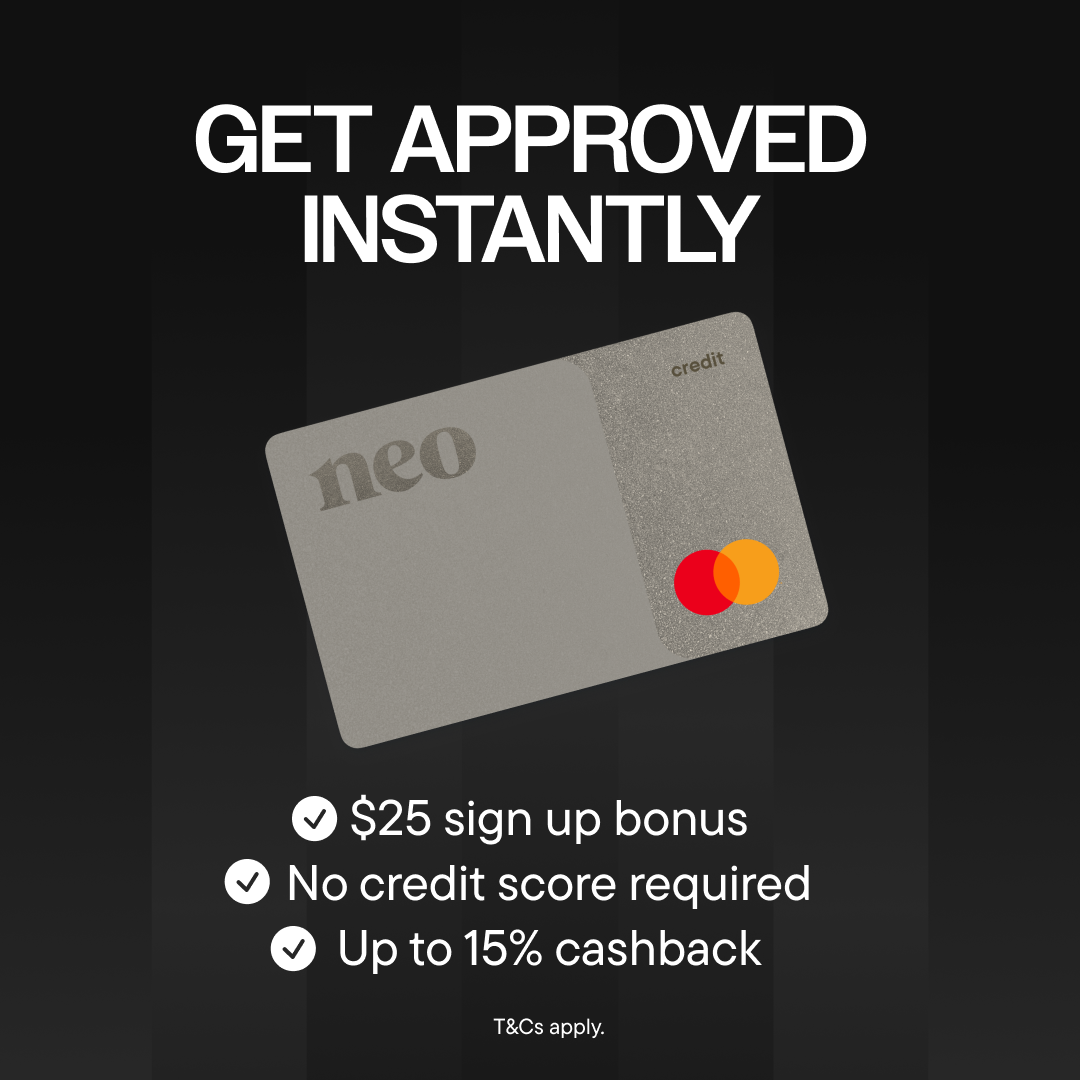
If you're looking to start building your Canadian credit history, finding a secured credit card that meets your needs should be your first step. Once you have your card, use it to purchase important necessities like groceries or set up a recurring bill payment.
Pro Tip
Our number one piece of advice is to make sure the credit card provider reports your payments to the credit bureaus, since this is how you will build your credit history.
- Fee
- $9.99/monthFor Neo's Build membership, which adds features to help strengthen your credit.
- Purchase Rate
- 19.99%–29.99%Your rate depends on your application, credit profile and province. Quebec: 19.99%–25.24%.
- Min. Deposit
- $50
- Available In
- All of Canada
Home Trust Secured Visa* Card
Lowest rate option- Fee
- $0 or $59Choose no annual fee with a 19.99% rate, or a $59 annual fee with a 14.90% rate.
- Purchase Rate
- 14.90%–19.99%14.90% with the $59 annual fee, or 19.99% with no annual fee.
- Min. Deposit
- $500
- Available In
- All but QC
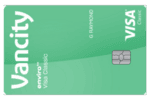
Vancity enviro™ Secured Visa* Card
Deposit earns interest- Fee
- $0–$395The fee depends on which enviro Visa card your deposit secures.
- Purchase Rate
- 11.25%–19.50%11.25% on the low-rate card or 19.50% on the regular card.
- Min. Deposit
- $500
- Available In
- BC onlyYou must live in BC and be a Vancity member.
Rates and fees as of October 2026. Check each issuer's website for current terms. Your security deposit is refundable when you pay your balance in full and close the card.
Credit Builder Products
Canadians have access to a wide range of digital tools designed to help build and improve credit. From credit building apps to rent reporting services, these tools offer valuable features to track, manage, and strengthen credit. Let's explore some of the top options, how they work, and where you can find them.
| Product | Cost | Features | ||
| Nyble | Credit building line of credit | Optional $11.99/month membership fee | Reports to Equifax Access up to $250 | Learn More |
| KOHO Credit Building | Credit building line of credit | Up to $14.75/month | Reports to Equifax Secured and unsecured options | Learn More |
| Kikoff | Credit builder | Starting at $10/month | Reports to Equifax | Learn More |
| Spring Financial The Foundation | Credit building program | About $74 bi-weekly | Reports to Equifax and TransUnion You save $750 | Learn More |
| Chexy | Rent reporting for credit building | No monthly fee (only credit card processing fees apply) | Reports rent payments to Equifax | Learn More |



Final Thoughts
Finding a loan as a new immigrant in Canada can be a challenge. For a variety of reasons, including risk and credit history, most Canadian lenders prefer applicants who have permanent residency.
That being said, the federal government, charities, banks, and private lenders all offer options to help newcomers establish their credit and access loans, including if you're here on a work or study permit.