


Refinancing a personal loan can be a powerful way to save money, lower your monthly payments, or pay off debt faster. By replacing your existing personal loan with one that offers better terms, you may be able to reduce interest costs or improve your cash flow. However, refinancing isn’t always the right move, so understanding when it makes financial sense is key to maximizing your savings.
Key Points
1. Refinancing replaces your current loan with a new one, potentially lowering your interest rate, monthly payments, or loan term.
2. It makes the most sense if your credit score or income has improved, helping you qualify for better terms.
3. While refinancing can save money, fees, penalties, and extended terms may reduce or eliminate those savings.
4. Always compare offers and calculate total costs to ensure refinancing aligns with your financial goals.
What Does It Mean To Refinance Your Personal Loan?
Yes, you can refinance a personal loan, including an unsecured personal loan. Refinancing a personal loan means taking out a new loan to repay an existing one. Once your existing personal loan account has been repaid and closed, you’ll start making loan payments towards your new loan, with a new interest rate and loan terms.
When refinancing, you can choose to apply with the same lender or a different one.
When Should You Refinance?
Refinancing can mean tons of money saved in interest, more affordable monthly payments, or being debt-free more quickly. But it doesn’t always make financial sense. Consider refinancing your personal loan if one or more of the following applies to you:
You Have Better Credit
One of the biggest reasons why consumers refinance their loans is to get a lower interest rate. Doing so can both reduce monthly payments and cut down on overall interest charges over the loan term.
If your credit score has improved since you originally took out your personal loan, you may be able to qualify for a lower rate by refinancing, or even for a large unsecured personal loan with good credit.
| Credit Score | What To Expect When Refinancing |
|---|---|
| 600 to 659 | Typically results in higher interest rates and fewer lender options |
| 660 to 699 | Good credit range with moderate rates depending on other factors |
| 700+ | Strong credit profile with access to lower rates and better terms |
If your credit score has improved since you took out your original loan, refinancing may help you secure a more competitive rate.
Your Income Has Increased
If you’re earning more money these days, you may have more cash available to make bigger loan payments. If so, refinancing to shorten the loan term can help you pay off your debt a lot earlier. Not only will you be left with one less bill to pay, but you can also slash the amount paid in interest by making higher loan payments, making the loan less expensive overall.
You Want To Lower Your Payments
If your current finances are making it difficult to comfortably cover your monthly loan payments, you may want to refinance to lower your payments. You might be able to refinance your loan to extend the loan term.
Longer loan terms mean lower monthly payments, which can ease a bit of financial pressure off your wallet. Moreover, you’ll have a lot more time to repay what you owe. If a longer schedule fits your budget, look into long-term loans in Canada.
Borrow Up To $50,000
Can You Refinance A Personal Loan With Bad Credit?
Refinancing with bad credit is possible, but it may not be worthwhile. The main reason to refinance is to get a lower interest rate, and lenders reserve their best rates for borrowers with good to excellent credit. If your credit is still poor, you may only qualify for a rate similar to, or higher than, your current one, which defeats the purpose.
If you have bad credit, consider these steps first:
- Improve your credit before applying, so you can qualify for a better rate.
- Add a cosigner or offer collateral to lower the lender’s risk.
- Compare alternative lenders, who may approve you, though usually at a higher rate.
Only refinance if the new loan genuinely lowers your total cost after fees.
How Soon Can You Refinance A Personal Loan?
In most cases, you can refinance a personal loan whenever you want, even shortly after taking it out. However, that doesn’t mean you should. Some lenders have a seasoning period and want to see several months of on-time payments before approving a refinance, and refinancing too early may trigger prepayment penalties on your original loan.
The better question isn’t how soon you can refinance, but when it makes sense to. Refinancing is worth it once your credit has improved, market rates have dropped, or your income has changed enough that a new loan would genuinely save you money or better fit your budget.
How To Know If Refinancing Is Worth It
Before refinancing, it’s important to determine whether the potential savings outweigh the costs. Use this simple formula:
Total savings – fees = net benefit
If your net benefit is positive, refinancing may be worthwhile. Ask yourself:
- Will you qualify for a lower interest rate?
- Will you pay less total interest over the life of the loan?
- How long will it take to break even after paying fees?
If you can confidently answer “yes” to these questions, refinancing is more likely to make financial sense. Comparing current personal loan interest rates in Canada can help you see whether a better rate is realistic.
Real Savings Example
Seeing the numbers can help put refinancing into perspective. Say you refinance a $20,000 loan from a 12% rate to an 8% rate on a 5-year term.
| Current Loan | Refinanced Loan | |
|---|---|---|
| Loan Amount | $20,000 | $20,000 |
| Interest Rate | 12% | 8% |
| Term | 60 months | 60 months |
| Monthly Payment | $445 | $406 |
| Total Interest | $6,693 | $4,332 |
| Total Cost | $26,693 | $24,332 |
In this example, refinancing saves about $2,361 in interest and lowers the monthly payment by roughly $39. Even a small rate reduction can lead to meaningful long-term savings, especially on larger loan balances.
How To Refinance Your Loan
If you want to refinance your personal loan, follow the steps below:
Gather And Compare Options
Avoid taking the first offer you get, especially if your credit score is better than when you originally applied. Comparing multiple personal loan refinance offers will help you identify which loan best meets your needs and offers the best savings. It’s also one of the most effective ways to secure a lower rate. When comparing your options, make sure to consider loan rates, loan terms, and applicable fees.
Negotiation Tips
Lenders usually don’t give their best offer upfront. Once you’ve narrowed down your options, take the opportunity to negotiate to get an even better deal. Decide what you want, such as a lower interest rate, and offer something in return. You can use an offer from another lender to gain a competitive quote, provide collateral, or show how your finances have improved.
Determine The Refinancing Costs
There will likely be applicable fees related to your refinance, such as origination fees or early repayment fees. Read the fine print of your existing loan to determine what they’ll be. Once you have a final figure, determine if the cost is worth the savings you’d get from refinancing. You can increase the amount you borrow to cover these fees, but make sure the cost is worth your while so you aren’t taking on more debt for no reason.
Apply For The New Loan
If the cost of refinancing is worthwhile, it’s time to apply. Before submitting your application, be sure to check the eligibility criteria for the new loan. To apply, you’ll generally need to provide information and supporting documents regarding your identity, income, and employment.
Pay The Old Loan Off With The New Money
Once you get approved for the new loan, use the new money to pay off your existing loan. Generally, lenders will transfer the new money directly into your bank account, and it’s your responsibility to transfer the funds to the existing loan to close it.
Verify The Old Loan Is Closed
After the funds have been transferred to your old loan account, contact your old lender to ensure that it has been closed and the balance is zero. Once this has been done, you will have officially refinanced your loan.
Learn more: How To Get Approved For A Personal Loan: Personal Loan Requirements
Is It Better To Refinance Or Get A New Personal Loan?
Refinancing and getting a new personal loan aren’t quite the same thing, even though refinancing technically involves taking out a new loan. When you refinance, the new loan is used specifically to pay off and replace your existing loan, so you’re not adding to your debt. Taking out a separate new installment loan, on the other hand, leaves your original loan in place and adds a second monthly payment.
If your goal is a lower rate or better terms on debt you already have, refinancing is usually the better move. If you need additional funds on top of what you already owe, a new loan (or increasing your refinance amount) may make more sense. Either way, compare the total cost, including fees, before deciding.
Advantages And Disadvantages Of Refinancing Personal Loans
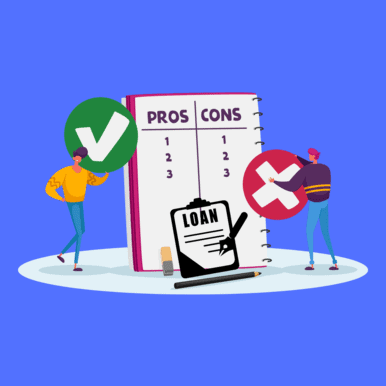
Refinancing comes with some significant benefits, but there are also a few drawbacks to weigh before applying.
Advantages
- Lower interest rate: If your credit score has increased, you may qualify for a lower rate, saving you thousands over the life of the loan.
- Pay the loan off faster: Shortening the loan term means higher payments but being debt-free sooner and saving on interest.
- Extended loan terms: A longer term gives you more time to repay and lower monthly payments.
- Payment stability: Refinancing a variable-rate loan into a fixed-rate loan gives you more predictable payments.
Disadvantages
- Additional fees: A new loan may come with added fees, such as origination fees, that eat into your savings.
- Early prepayment penalties: Some lenders charge a fee for paying off your existing loan early.
- More paid in interest: Extending the loan term could mean paying more interest overall.
- Impact on your credit score: A hard credit check, plus opening and closing accounts, can temporarily affect your score.
Is Refinancing Expensive?
It can be costly to refinance a personal loan, but it depends on the specifics of the loan you have and the one you want to apply for. There are often fees associated with cancelling and opening a new loan, which could cost you hundreds of dollars.
To determine how much it’ll cost you, you need to read all of the documents of the existing loan and new loan to figure out how much you should expect to pay.
Estimate Your Refinancing Costs
Use a loan calculator to estimate how much refinancing could cost, or save, you based on your situation. Key inputs to consider are your loan amount, credit score, and loan term. By adjusting these variables, you can better understand your potential monthly payment, total interest costs, and overall savings before making a decision.
Reasons You Shouldn’t Refinance Your Personal Loan
In some situations, a refinance might not be the right option. Here are some scenarios in which you shouldn’t refinance your personal loan:
Your Loan Is Almost Fully Repaid
If you’ve paid off most of your personal loan, refinancing won’t make much sense. You’ll be paying more in fees and possible early repayment penalties, which could offset any savings you might benefit from. Instead, focus on paying off whatever balance you have left.
You Can’t Get A Lower Interest Rate
Getting a lower rate is one of the most common reasons to refinance. If rates are really high right now or your credit hasn’t improved enough to help you secure a lower interest rate, refinancing might not be a good idea.
When Refinancing Can Backfire
While refinancing can offer benefits, it’s not always the right move. Repeated refinancing can extend your debt timeline, keeping you in debt longer. Lower monthly payments can create a false sense of affordability, leading to less urgency in repayment. And there’s a risk of re-accumulating debt, especially if spending habits don’t change. Carefully evaluate your long-term financial goals before refinancing to avoid these potential pitfalls.
Alternatives To Consider
If you want to reduce your interest rate, refinancing may be a good option. But there is another alternative that may afford you a lower interest rate: a credit card balance transfer.
Personal Loan Refinance Or Credit Card Balance Transfer? An Overview
| Option | Best For | Risk |
|---|---|---|
| Refinance | Lower interest rate or new terms | Fees and potential penalties |
| Balance Transfer | Short-term interest relief | Promotional rate expiry |
While credit card balance transfers are usually designed for transferring credit card debt, some lenders allow you to transfer other high-interest debts, like personal loans. If your personal loan is eligible and you can access a 0% or low-interest introductory offer, a balance transfer could help you save a significant amount on interest.
Keep in mind that most balance transfers come with a 3% to 5% fee, and you must pay off the balance before the promotional period ends to avoid interest charges.
Important
Balance transfer promotions generally do not apply to cash advances. While it’s possible to use a credit card cash advance to pay off a personal loan, this option is usually more expensive and should only be considered if the cash advance rate is lower than your current loan rate and your credit limit allows it.


Does Refinancing Make Sense For You?
Refinancing can be a great option for some, but a waste of effort for others; it depends entirely on your unique financial position. Before jumping into a refinancing deal, make sure that you consider your specific financial goals and situation. If you need assistance with refinancing, Loans Canada can help you today.
Personal Loan Refinance FAQs
Yes, your credit score could be affected in a few ways. For instance, if the lender conducts a hard credit check when you apply for a new loan, your credit score may take a temporary hit. Similarly, your score may also be negatively impacted when you open and close credit accounts, as it affects your credit history, a common factor used to calculate credit scores.
In most cases you can refinance at any time, even soon after taking out the loan. That said, some lenders want to see several months of on-time payments first, and refinancing too early can trigger prepayment penalties. The key is to refinance only once it genuinely saves you money.
It’s possible, but often not worthwhile. Since the main goal of refinancing is a lower rate, poor credit may only get you a similar or higher rate. Improving your credit, adding a cosigner, or offering collateral can help you qualify for better terms first.
Yes, you can refinance with the same lender that you have your current loan with. Ask the lender what type of rate and terms you may qualify for if you choose to refinance without switching lenders.
Yes, your lender may be willing to work with you to come up with an alternative arrangement if you’re having trouble keeping up with your loan payments. Get in touch with your lender right away to see what can be done, and be sure to reach out before you miss a payment.
Generally yes, interest rates on unsecured personal loans tend to be higher to offset lender risk.
References:
- 1Captial One. All About Balance Transfers. CaptialOne.ca
- Bank of Canada. (2026). Interest rates for new and existing lending by chartered banks. Bank of Canada.