
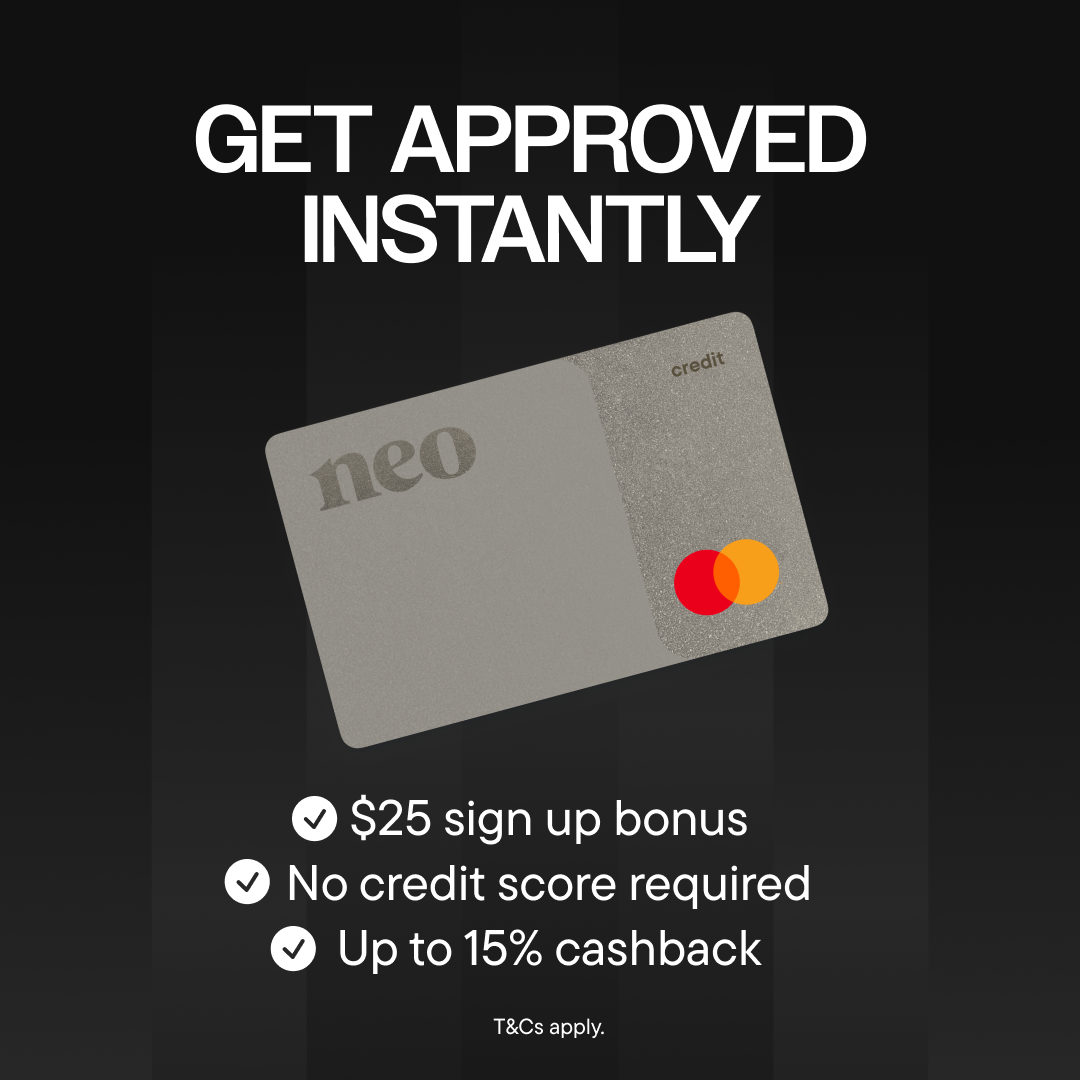
Credit cards offer a hassle-free way to shop without cash, while potentially earning you valuable rewards at the same time. Since not everyone can qualify for a credit card, secured and prepaid credit cards can be a good alternative
While both have their advantages, there are key differences between a secured credit card and a prepaid credit card that you need to know before deciding.
Key Points:
- Secured credit cards report activity to credit bureaus, while prepaid credit cards do not affect your credit score because they’re not tied to a credit account.
- Prepaid cards are easy to get, with no credit check or security deposit needed.
- Some prepaid cards offer credit reporting for a fee.
- Secured credit cards require a refundable deposit, which acts as your credit limit.
- Choose a secured credit card if you want to build credit, or opt for a prepaid card if you want to control your spending and don’t need to build credit.
What Is A Secured Credit Card?
Secured credit cards are similar to traditional credit cards in the sense that you have access to credit, but your limit is determined by the amount of security funds you deposit.
For example, if you deposit $1,000, your credit limit is also $1,000. This is required as secured credit cards are meant to help you rebuild your credit. The security funds show that you’re serious and are fully refundable if you close your account in good standing.
What’s The Difference Between A Secured Card & An Unsecured Credit Card?
The most significant difference between a secured and an unsecured card is collateral. Secured credit cards require a deposit before they can be used. This deposit serves as the credit limit on the card.
With regular (unsecured) credit cards, issuers depend on your credit history and promise to repay the balance in full at some point in the near future. These cards are typically offered to consumers who have a healthy credit score with no history of defaulting on loans or payments. If you have a higher income, you may qualify for cards with better perks.
In contrast, secured credit cards provide the issuer with the ability to recoup any potential losses from your security deposit if you’re unable or unwilling to pay down your balance in full.
The Best Secured Credit Cards In Canada
| Annual Fee | Purchase Interest Rates | Min. Deposit | |
 Secured Neo Mastercard | $7.99/monthly (can be waived) | – 19.99% – 29.99% – QC: 19.99% – 24.99% | $50 |
 Secured Tims® Mastercard | $0 | – 20.99% – 26.99% – QC: 20.99% – 24.99% | $50 |
 Home Trust Secured Visa Card | 0$ or $59 | – 19.99% (no annual fee) – 14.90% (with annual fee) | $500 |
 Vancity enviro™ Secured Visa* card | $0 – $395 | 11.25% or 19.50 % | $500 |
Learn more: The Top Secured Credit Cards In Canada
Secured Credit Card Pros And Cons
There are several reasons why you may want to apply for a secured credit card. But there are also a handful of drawbacks to consider as well:
Pros
- Easier To Get Approved For: One of the most significant benefits of a secured credit card is that it’s much easier to get approved for than a traditional unsecured card. That means you don’t necessarily need a high income or credit score to get approved. In fact, you can get approved even with poor credit. Moreover, you can get approval within a few minutes of applying.
- Helps Build Credit: A secured credit card is an ideal financial tool for rebuilding or establishing your credit profile. Since a lack of credit history makes it nearly impossible to get an unsecured card, you can opt for a secured card instead, and every timely payment you make will go towards building a healthy credit score.
- Cash Back Perks (With Some Cards): There are a few secured credit cards that offer a rewards system, which means you can earn points with every dollar you spend using your card. You can then redeem these points for purchases, including at retailers, gas stations, grocery stores, and for travel.
Cons
- Not As Many Perks As Unsecured Cards: While you may be able to find a secured credit card that allows you to earn cash back rewards, that’s pretty much where the perks end. Regular unsecured credit cards offer plenty more benefits, including a variety of travel perks and insurance benefits, among others.
- Requires A Security Deposit: A secured credit card requires an upfront deposit into your account before you can start using it. That means you’ll need to have access to these funds from the get-go rather than spending money you don’t have, which is the case with an unsecured card. Essentially, you can only spend money you already have. And while this may be a drawback, it can also be considered a benefit because it will prevent you from getting into credit card debt.
- Credit Limit Equals The Security Deposit: If you have limited funds, your credit limit on your secured card will be equally restricted. That’s because the security deposit required is typically equivalent to the credit limit that you cannot exceed.
- Fees: Many secured credit cards charge an annual fee. However, these types of fees also come with unsecured cards.
How To Get A Secured Credit Card
Qualifying for a secured credit card is typically easier than qualifying for a traditional unsecured card. Generally speaking, all you need to get a secured card is some form of income and a security deposit.
Having said that, there are instances where your application could be turned down, including the following:
- You Can’t Provide The Security Deposit: The main requirement to qualify for a secured card is the security deposit. If you can’t come up with the minimum funds for the deposit, you won’t qualify.
- You Had A Closed Account: If you’re applying for a secured card from a financial institution which you had a previous relationship where your account was closed, you may not be approved.
- Inability To Prove Your Income: Credit card issuers typically want to see proof of income that backs up the income you say you earn on your application form. If you can’t come up with documentation to support your income claims, you could be turned down.
What Is A Prepaid Credit Card?
A prepaid credit card is pre-loaded with a certain amount of funds. This amount, in turn, cannot be exceeded, which means you’re only able to spend up to the specific amount added to the card. It’s similar to a debit card.
Every purchase you make will be deducted from the amount you’ve loaded onto the card. Once you’ve spent the entire amount and the balance is at zero, there’s nothing left on the card to spend.
Prepaid cards come with no interest on outstanding balances or monthly bills. That’s because you’re not borrowing any money from a credit card issuer, so there’s no interest to be paid to anyone.
Best Prepaid Credit Cards
| Annual Fee | ||
| Neo Money™ Card | $0 | Learn More |
| KOHO Prepaid Mastercard | – KOHO Core: $0 yearly – KOHO Essential: $48 yearly – KOHO Extra: $144 yearly – KOHO Everything: $177 yearly | Learn More |
| CIBC Air Canada AC Conversion Visa Prepaid Card | $0 | Learn More |
| Canada Post Visa Prepaid Card | $0 | Learn More |
Learn more: Best Prepaid Credit Card In Canada
Prepaid Credit Card Pros And Cons
Prepaid credit cards have several attractive qualities, but they also come with a handful of drawbacks. Consider the pros and cons of a prepaid card before applying for one:
Pros
- No Credit Required: There’s no approval process for prepaid credit cards. You don’t need a bank account, high income, or credit score to get approved. As such, these cards are great for those with low credit scores or no credit history at all.
- No Security Deposit: Secured credit cards require a security deposit upfront, and the card’s credit limit is generally equal to that security deposit amount, as mentioned. But with a prepaid credit card, no security deposit is necessary. Instead, you load as much or as little money onto the card as you want and can only spend up to that specific amount.
- No Bank Account Required: There’s no approval process for getting a prepaid card, which means no bank account is required.
- Helps Control Spending: Since you’re only spending money you already have rather than using credit, you can control your spending and avoid credit card debt.
Cons
- Fees: Many prepaid cards come with activation fees, monthly fees, transaction fees, or fees associated with loading funds onto the card. Ensure you carefully review the contract to identify all applicable fees.
- Can’t Build Credit: Prepaid cards don’t affect your credit profile. Since you’re spending money that is already on the card and you’re not borrowing anything, there won’t be any payments reported to the credit bureaus. As such, you can’t use a prepaid card to build credit.
Learn more: The Pros And Cons Of Prepaid Credit Cards
Secured Credit Card Vs Prepaid Credit Card: Which One Should You Get?
Both these cards are easy to get approved for, regardless if you have bad credit. However, your decision to take out a secured credit card vs a prepaid credit card depends on your goals.
| When A Secured Card Makes Sense | When A Prepaid Card Makes Sense |
| – You want to build good credit – You can’t get approved for an unsecured card – You’re looking for a stepping stone to getting a traditional credit card | – You want to control your spending – You’re looking for a budgeting tool – You don’t need to build credit |
When To Choose A Prepaid Card
If you’re looking to keep track of your spending, a prepaid card may be a good option. You can use the card as a budgeting tool and set spending limits. Prepaid cards are also a great alternative to cash and make spending more convenient. You can even use them to spend online.
When To Choose A Secured Credit Card
If you want to build good credit, consider a secured credit card. With these types of cards, your payments will be reported to the credit bureaus, which helps build a healthy credit profile.
Plus, with every timely payment you make, you’ll build a positive payment history, which can help improve your credit scores. With continuous credit building, your credit score can be strong enough to get you approved for an unsecured credit card, along with other financial products.

Secured Credit Card Vs. Prepaid Credit Card FAQs
Does a prepaid card hurt your credit?
Why do I need to provide a security deposit?
Do prepaid cards have fees?
Do secured credit cards charge interest?
Do secured credit cards help build credit?
Do prepaid cards help build credit?
Which card is better for someone with bad credit?
Can I use both cards for online purchases?
What happens if I miss a payment on a secured credit card?
¹Minimum balance in a Neo Chequing account required to earn the highest rate. Cashback earn subject to monthly maximum spend limits. Cashback may be limited and varies by perks, offer, and partner. There may be monthly limits for boosted cashback offers.