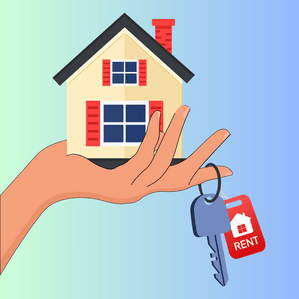



Renting is often the only option for many Canadians, as it can be more affordable than buying a house without the need to qualify for a mortgage. But renting simply means paying someone else’s mortgage. Plus, your rent payments don’t do anything to help you build credit.
A rent-to-own program may be a potential pathway to homeownership for you that allows you to rent a property with the option to buy the home at a later date. It’s a particularly useful option if your credit needs work before you can qualify for a traditional or bad credit mortgage. Let’s go into more detail about how rent-to-own programs work, as well as their perks and drawbacks.
Key Points
1. A rent-to-own program can help you gradually become a homeowner if you’re unable to qualify for a mortgage today.
2. Rent-to-own programs allow you to rent a home with the option to eventually buy it at an agreed-upon price.
3. Part of each rent payment you make will go toward the down payment of the home if you eventually decide to purchase it, which is why rent may be higher compared to traditional rental agreements.
4. You may forfeit your down payment if you fail to purchase the property as per the rent-to-own contract.
What Is Rent-To-Own In Canada?
A rent-to-own program is an arrangement that allows tenants to rent a property with the option to buy it at a later date. This type of agreement is designed for those who eventually want to become homeowners but may not be financially capable of qualifying for a traditional mortgage, especially if they don’t have an adequate down payment or need some time to rebuild their credit.
With this type of program, part of your rent payment is put aside to be put towards a down payment if you exercise your option to purchase the home when the term expires. This makes it easier to buy the home when the lease ends.
For a closer look at how the concept itself works — the contract language and how rent-to-own differs from a standard lease — see our full guide on what a rent-to-own home is.
Types Of Rent-To-Own Programs
Strictly speaking, there are two types of contracts that are offered, known as “option-to-purchase” and “lease-purchase.”
Option-To-Purchase
An option-to-purchase agreement allows the tenant in the agreement to exercise their right to purchase the property within a certain time period at an agreed-upon price. The tenant is not obligated to purchase the home and may choose to walk away from the purchase.
Lease-Purchase
A lease-purchase arrangement means the tenant agrees to buy the home at the end of the contract. Unlike in the previous arrangement, the tenant is obligated to go through with the purchase of the property at the end of the term. Failure to do so may lead to penalty fees.
As part of the sale process, the tenant already lives in the home and has already signed a Promise to Purchase. In other words, before the tenant signs the deed of sale, they occupy the property beforehand.
Speak With A Mortgage Specialist
How Does Rent-To-Own Work?
In a rent-to-own program, you and your landlord or rent-to-own company will enter into an agreement, similar to a traditional lease. The agreement will be structured according to the specific program you choose; option-to-purchase or lease-purchase.
A rent-to-own agreement is made up of the following components:
Option Deposit
With most rent-to-own agreements, you may be required to pay an option deposit upfront. This is a non-refundable deposit, which usually amounts to about 2% to 5% of the home’s final asking price.
Depending on the terms of the agreement, the full sum or part of the option deposit may go towards your eventual down payment on the home.
Rent Payments
Once the agreement has been confirmed, you’ll make regular payments for the duration of the contract term. Part of these rent payments — also referred to as “rent premiums” or “rent credits” — goes towards the down payment or purchase price. This is one of the biggest benefits of a rent-to-own program over a traditional lease agreement.
Contract Term
Rent-to-own programs typically last between 1 and 5 years, during which (or at the end) you can choose to use your rent credit to help you purchase the property. If you do not purchase the property by the end of the lease, you’ll lose all the rent credit. And if you choose the lease-purchase option and don’t buy the house, you could face penalties.
Ideally, you’ll have paid off enough of the down payment and raised your credit score sufficiently to qualify for a traditional mortgage.
Agreed-Upon Purchase Price
The future purchase price of the home is typically agreed upon at the beginning of the contract. If you decide to buy the home when the lease ends, the purchase price specified in your contract is what you would pay for the home.
However, some rent-to-own contracts state that the asking price will only be determined at the end of the lease term and will be based on the home’s appraised market value.
How Much Does Rent-To-Own Homes Cost?
To illustrate how a rent-to-own program works, let’s use the following example.
| Component | Amount |
|---|---|
| Contract length | 3 years |
| Locked-in purchase price | $350,000 |
| Option deposit (2.5%) | $8,750 |
| Monthly rent | $1,500 ($1,000 toward rent, $500 toward the down payment) |
| Amount owing at the end of the term | $341,250 ($350,000 – $8,750) |
| Down payment contributed over 3 years | $18,000 ($500 × 36 months) |
| Mortgage amount at the end of the lease agreement | $323,150 ($341,250 – $18,000) |
So, by the end of the 3-year rental contract, you should have invested $18,000 towards the down payment on the home. This meets the minimum 5% deposit requirement, which would be $17,500 ($350,000 × 5%).
Something to keep in mind is that you’ve also paid $36,000 in rent over those 3 years (not including the $500/month for the down payment), all of which will not be going toward the initial mortgage price. That said, when you take out a mortgage, a big portion of it goes towards interest, particularly at the beginning of the loan.
For context, the average MLS® residential sale price in Canada is currently around $717,8001 — so the $350,000 example above represents a more affordable market like Atlantic Canada, the Prairies, or a smaller city.
Where Can I Find Rent-To-Own Homes Near Me?
It may be challenging to find rent-to-own homes near you without some assistance. To find these types of properties in your area, consider the following sources.
Work With A Real Estate Agent
Real estate agents have access to a wide range of property types, including rent-to-own homes that may not be readily advertised to the public. These professionals also have a wide reach and network with other industry experts that may have rent-to-own properties available. Plus, they may be able to work out arrangements with traditional sellers who may be open to a rent-to-own arrangement.
Rent-To-Own Companies
Several rent-to-own companies are available across Canada. Here are a few to help you start your search:
| Province | Companies |
|---|---|
| Rent-To-Own Companies In Ontario | Red Door Home Solutions, Rent-to-Own Solutions, Clover Properties |
| Rent-To-Own Companies In BC | RTO Homes, Fraser Valley Rent 2 Own, Tuza Investments |
| Rent-To-Own Companies In Alberta | Requity Homes, Peak Housing Solutions, Royal Rouge Properties |
| Rent-To-Own Companies In Quebec | HOS Financial, Quebec House Partners, RTOC |
If you’re shopping in Ontario specifically, see our deep dive on how to rent-to-own in Ontario for province-specific legal, deposit, and provider details.
Can You Rent To Own Any Home?
Generally speaking, you can’t rent to own any home. Rent-to-own programs typically involve a portfolio of pre-selected properties. So, you may not be able to choose any property available for sale.
That said, there are some companies that can expand your rent-to-own home selection, like Requity. With this company, you can choose which home you’d like them to buy upfront, as long as you’re approved for the price point of the home you’re interested in.
With a service like this, you may have more freedom when it comes to the home you’d like to eventually buy.
What To Look For In A Rent-To-Own Provider
7 Things To Check Before You Sign A Rent-To-Own Agreement
Clear Contract Type
Lease-option vs. lease-purchase must be spelled out. If you’re not sure which one you’re signing, walk away.
Locked-In Purchase Price
The price you’ll pay should be set up front. Avoid contracts that defer pricing to an end-of-term appraisal.
Transparent Rent Credit Math
Exactly how much of each rent payment goes to your down payment — and where that money is held — should be in writing.
Maintenance Responsibilities Defined
Some contracts make tenants responsible for repairs like a homeowner would be. Know what you’re agreeing to.
Mortgage Pre-Approval Support
Good providers help you build credit and connect you with brokers in year 2–3 so you’re ready to qualify at the end.
Independent Legal Review
Never sign a rent-to-own contract without a real estate lawyer reviewing it first. The cost is small versus the risk.
Verifiable Track Record
Ask for references from clients who completed their purchase. Check the company’s standing with the BBB and provincial real estate regulator.
Pros And Cons Of Rent-To-Own For Tenants
If you believe you’re a good candidate for the rent-to-own program, you should be aware of the advantages and disadvantages for both the seller and the renter. It’s very important to know what they are before you sign any contracts.
Pros
There are plenty of perks that come with a rent-to-own program:
- Become A Homeowner — If you’ve had trouble overcoming the typical barriers to get into the housing market, a rent-to-own program can help you become a homeowner in a different way that suits your finances.
- Test Out The Home — If the contract is an option-to-purchase, you have the right to terminate your rental agreement at the end of the term. This means you can have a “test-run” with the house to see if it’s a home and neighbourhood that suits you.
- Helps Build Credit — As the monthly payments are made, you may be able to build a good payment history, which may positively affect your credit.
- Helps Save For A Down Payment — The non-rent portion of the payments that you make goes toward the down payment on the home. If you can’t initially afford a down payment, you can add to it gradually.
- Lock-In Asking Price — If the asking price is locked in, you’ll benefit if property values increase during the lease term.
Cons
Along with the benefits of a rent-to-own program come a few notable downsides to consider:
- You Still Need To Qualify For A Mortgage — While you won’t have to get approved for a mortgage to enter into a rent-to-own agreement, you’ll still need to qualify if you plan to buy the home at the end of the lease term. This may be a bit more difficult given that fewer mortgage lenders are fine with a home purchase under a rent-to-own arrangement, which can mean higher mortgage rates.
- You Can Lose Your Deposit — If you’re on an option-to-purchase contract and choose not to purchase the house at the end of the lease, you’ll lose your deposit.
- You May Be Responsible For Maintenance — In some rent-to-own cases, you may be required to handle maintenance and repairs.
- You May Pay More Than The House Is Worth — Because the asking price of the house is coupled with the rental fees and all other homeowner-related costs, you could end up paying much more than the house is actually worth. As such, you could also fail to recoup your investment if you decide to resell it in the future.
Is A Rent-To-Own Program Right For You?
A rent-to-own program may be a great option for you in several situations, as follows:
You Can’t Afford A Home Right Now
If you’re having financial troubles and can’t meet your savings goals fast enough to get a mortgage and buy a home, rent-to-own can give you more time to address these concerns while working towards buying a home.
You’re Unable To Get Approved For A Mortgage
Getting approved for a mortgage can be challenging if you have a lot of debt and your income isn’t adequate enough to add a mortgage payment to the mix. If your credentials don’t allow you to secure a home loan right now, rent-to-own can bridge the gap in the meantime.
You Want To “Test Out” A Home Before Buying It
Buying a home is a huge financial commitment. With a rent-to-own agreement, you’ll have the chance to live in a home before buying it.
You Want To Work Towards Becoming A Homeowner
While you may be able to cover rent payments, you may not necessarily want to be a tenant forever. If your future goal is to eventually become a homeowner, then a rent-to-own arrangement can help steer you on the right path towards reaching this milestone.
You Need Help Saving For A Down Payment
If saving for a down payment is difficult for you, rent-to-own lets you put part of your rent toward the purchase of a home.
You Need Time To Build Your Credit Score
Getting approved for a mortgage typically requires good credit. If your score is lagging right now, you may have a tough time securing a home loan. In this case, rent-to-own can give you some time to improve your score while living in your future home.
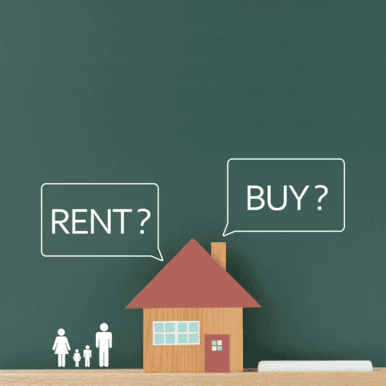
Still on the fence between renting and buying? Compare your options in our guides on renting vs. buying a home.
- Credit on an upward trajectory: Your credit score is below mortgage-approval territory today but you have a clear, achievable plan to improve it over the term.
- Income stable or growing: You expect your income to be at least as high in 3 years as it is now — ideally higher.
- Down payment savings on track: Even with rent credits, you’re saving on the side. The credits should accelerate your timeline, not be your only plan.
- Market awareness: You’ve checked recent comparable sales and the locked-in price is in line with current market value, not inflated.
- Long-term fit: You’re confident the home, the neighbourhood, and your life circumstances will still suit you 3–5 years from now.
If 4 or 5 of these are true: rent-to-own can be a smart bridge to ownership.
If 2 or 3 are true: proceed cautiously — get legal review and stress-test the math.
If 0 or 1 is true: rent-to-own probably isn’t right for you yet. Look at the alternatives below.
Rent-To-Own By Province
The legal frameworks and provider density vary by province. Here’s a quick overview:
| Province | Provider Density | Key Regulatory Notes |
|---|---|---|
| Ontario | High | Residential Tenancies Act applies to the lease portion; option-to-purchase governed separately. See our Ontario-specific guide. |
| Alberta | High | Strong rent-to-own market, especially in Calgary and Edmonton. Residential Tenancies Act governs lease portion. |
| British Columbia | Moderate | Higher home prices make the math harder. Residential Tenancy Act applies. |
| Quebec | Low to Moderate | Civil Code governs contracts; the “promesse d’achat” structure differs from common-law provinces. |
| Prairies (SK, MB) | Moderate | Lower entry prices make rent-to-own math more favourable for buyers. |
| Atlantic Provinces | Low | Smaller market; mostly private arrangements rather than dedicated companies. |
Government Support For Rent-To-Own In Canada
The federal government has invested in expanding rent-to-own access through the Affordable Housing Innovation Fund, with a portion of that funding earmarked specifically for rent-to-own projects. These programs typically require providers to offer below-market rents, commit to multi-year terms, and build in protections for the eventual buyer.
For the full breakdown of federal funding, eligibility, and how to find a participating project, see our guide on government rent-to-own support in Canada.
Rent-To-Own Scams: Red Flags To Watch For
Note: The Rent-To-Own Space Attracts Scams
Because rent-to-own targets buyers who can’t qualify for traditional financing, it’s a market that scammers actively work. Watch for these red flags before signing anything:
• Pressure to sign quickly without a lawyer reviewing the contract.
• The “seller” doesn’t actually own the home — always check title at your provincial land registry.
• Purchase price set far above market value — the seller is using your option deposit as profit, knowing you’ll likely walk away.
• Rent credits aren’t held in trust or there’s no paper trail for where the money is going.
• The home has an existing mortgage in default or a lien against it — if the lender forecloses, you lose everything regardless of your contract.
• No requirement for you to pre-qualify for a mortgage — legitimate providers want you to succeed; scammers want you to fail and forfeit.
If anything feels off, walk away. Always have a real estate lawyer review the contract, and verify the seller’s ownership independently.
Alternatives To Rent-To-Own
If you’re having a hard time buying a home due to the down payment requirements, there are other options available besides a rent-to-own arrangement:
Down Payment Assistance Programs
Down payment assistance programs are available from the federal and provincial governments, as well as private companies.
Federal Government Down Payment Assistance Programs
A popular federal down payment assistance program from the Canadian federal government is the Home Buyers’ Plan (HBP), which allows Canadians to withdraw up to $60,000 from their RRSPs to purchase a home.
Provincial Government Down Payment Assistance Programs
Several programs are available in various provinces and cities across Canada that help buyers come up with the funds needed for a down payment to buy a home, such as the following:
- Affordable Home Ownership Program in Ontario: Kitchener (Waterloo Region)
- Attainable Homes Program in Calgary, Alberta
- Down Payment Assistance Program (DPAP) in Nova Scotia
- Home Ownership Program in New Brunswick
Other Down Payment Assistance Programs
Some private companies assist home buyers in Canada by contributing part of their down payment in exchange for investing in part of the property’s future value. They provide up to $250,000 toward a down payment.
First Home Savings Account (FHSA)
The First Home Savings Account is a registered savings plan that helps first-time buyers in Canada save for a down payment tax-free. You can contribute up to $8,000 each year, with a lifetime cap of $40,000, and withdrawals for a home purchase are not taxed. Plus, contributions to an FHSA can lower your taxable income because they’re tax-deductible, and therefore reduce what you owe in income taxes.
No Down Payment Mortgage
With a no down payment mortgage, no money is needed at closing. All you’ll have to come up with is the funds to cover the closing costs. Both the mortgage and down payment are funded by an alternative lender.
Bad Credit Or B-Lender Mortgage
If the main barrier is credit rather than down payment, a bad credit mortgage from a B-lender may be a faster and more cost-effective path than waiting 3–5 years for a rent-to-own term to end.

Bottom Line
A rent-to-own program can be a great way to help you eventually become a homeowner if you’re unable to meet the standard requirements for a mortgage. With every rent payment you make, a portion will go towards the down payment, which gives you a few years to save up and contribute. Plus, on-time payments can help you build good credit, which will be needed when you eventually have to apply for a mortgage to buy the home.
Rent-To-Own In Canada FAQ
References
- Canadian Real Estate Association. (2026). National Statistics — Monthly Activity Report. https://www.crea.ca/housing-market-stats/national-price-map/