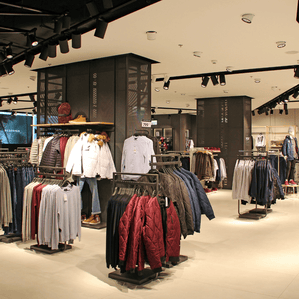

Canada’s furniture retail sector is a thriving part of the national economy, thanks to steady housing demand, home renovations, and interior design. But opening or expanding a furniture store requires significant upfront capital. Inventory purchases, warehouse space, delivery vehicles, staffing, marketing, and showrooms all require substantial costs.
Because of this, furniture store owners rely on business loans to start, buy, or grow their operations. This guide breaks down the types of startup business loans available for furniture stores, how to qualify, and how to apply.
Key Points:
- Launching or buying a furniture store in Canada may cost between roughly $25,000 and $250,000+, with the largest expenses typically tied to inventory, retail space, delivery vehicles, staffing, and marketing.
- Furniture retailers have access to multiple financing options, including business term loans, lines of credit, equipment financing, commercial mortgages, inventory loans, and merchant cash advances.
- Government-backed programs can make funding more accessible, helping cover costs like equipment purchases, leasehold improvements, and property acquisition.
- Using business assets as collateral can increase approval chances and potentially lead to lower interest rates.
How Much Does It Cost To Open Or Buy A Furniture Store In Canada?
The cost of opening or purchasing a furniture store in Canada varies widely depending on the business model, location, inventory size, and whether you’re starting from scratch or buying an existing operation.
Given these variations, could be spending anywhere from $25,000 to over $250,000 to start or buy a furniture store in Canada1.
Key Cost Components
Several factors help determine how much you’ll spend to run a furniture store:
- Inventory: Furniture is high‑value, bulky, and expensive to stock. Initial inventory alone can cost tens or hundreds of thousands of dollars.
- Showroom space: Retail space must be large enough to display furniture, often requiring 2,000–10,000+ square feet.
- Warehouse or storage: Many stores need off‑site storage for overflow inventory.
- Delivery vehicles: Trucks or vans are essential for customer deliveries.
- Point‑of‑sale systems: Modern POS systems, financing software, and inventory management tools.
- Staffing: Sales associates, warehouse workers, delivery drivers, and administrative staff.
- Marketing: Website development, digital ads, print materials, and local promotions.
- Renovations: Flooring, lighting, shelving, signage, and showroom layout improvements.
Because of these high startup and operational costs, financing is often essential for new and existing furniture retailers.
Can You Get A Business Loan For A Furniture Store?
Yes, furniture stores in Canada can qualify for small business loans. Financing is available for startups, expansions, inventory purchases, equipment, and cash‑flow support. Loans can also help stabilize revenue during seasonal fluctuations, which are common in retail.
Types of Business Loans for Furniture Stores
Furniture retailers have access to a wide range of financing solutions available, such as the following.
Commercial Mortgage
Best for: Buying a retail space or warehouse.
A commercial mortgage helps you purchase or refinance a retail property, warehouse, or showroom. This is ideal for furniture stores that want long‑term stability and control over their space.
Business Term Loans
Best for: Large costs associated with start ups or expansions.
A business term loan provides a lump sum of money that is then repaid over a fixed term. Furniture stores often use term loans for:
- Inventory purchases
- Renovations
- Delivery vehicles
- Marketing campaigns
- Warehouse expansion
Term loans offer predictable monthly payments and can be secured or unsecured depending on your financial profile.
Equipment Financing
Best for: Delivery vehicles, warehouse equipment, POS systems.
Equipment financing allows you to purchase or lease equipment without having to pay the full cost upfront. The equipment itself serves as collateral, making approval easier.
Furniture stores commonly finance:
- Delivery trucks or vans
- Warehouse shelving
- Forklifts or pallet jacks
- POS systems and software
- Office equipment
This helps preserve cash flow while ensuring your store operates efficiently.
Lines Of Credit
Best for: Seasonal cash‑flow gaps or inventory restocking.
A business line of credit provides flexible access to funds that you can draw from as needed. You only pay interest on what you use.
Furniture stores often rely on lines of credit to cover:
- Inventory restocking
- Payroll during slow seasons
- Marketing campaigns
- Emergency repairs
- Short‑term cash‑flow shortages
This revolving credit option helps stabilize finances during unpredictable periods.
Leasehold Improvements
Best for: Renovating or expanding an existing retail space.
If you’re leasing, leasehold improvement financing can help cover the cost of:
- Lighting upgrades
- Flooring
- Display fixtures
- Signage
- Electrical work
- Showroom layout improvements
These upgrades are essential for creating an attractive retail environment.
Merchant Cash Advance
Best for: Stores with high card transaction volumes.
A merchant cash advance provides funds upfront in exchange for a share of future credit card sales. This is useful for furniture stores with steady card transactions.
Benefits include:
- Fast approval
- Flexible repayment
- No fixed regular payments
However, this type of financing often comes with higher costs and should be used for short‑term needs.
Inventory Financing
Best for: Large inventory purchases.
Inventory financing allows furniture stores to borrow against the value of their inventory. This is especially helpful for stores that need to stock large quantities of furniture before peak seasons.
Invoice Factoring
Best for: Stores offering commercial or bulk orders.
If your store sells to businesses, designers, or contractors, invoice factoring can help you access cash before clients pay their invoices.
Government Programs & Grants
Best for: New or growing furniture store owners who need affordable, low‑cost funding with more flexible approval criteria.
Federal and provincial governments in Canada offer several financing programs to help aspiring entrepreneurs:
- Business Development Bank of Canada (BDC): BDC offers loans for retail businesses, including furniture stores, with flexible repayment terms and support for cash‑flow management.
- Canada Small Business Financing Program (CSBFP): The government shares the risk with lenders, making approval easier. The CSBFP helps businesses get the funding they need to cover the cost of the following:
- Equipment
- Leasehold improvements
- Property purchases
- Provincial Grants and Programs: Some provinces offer grants for retail modernization, digital adoption, and business expansions. These programs can help reduce startup and operational costs. Examples include:
- Ontario’s Digital Transformation Grant
- Alberta’s Small Business Resources
- BC’s Small Business Grants
Ways To Cut Costs When Opening A Furniture Store
Furniture stores have high overhead, but there are ways to reduce expenses:
- Start With A Smaller Showroom: Begin with a modest retail space and expand as revenue grows.
- Use A Hybrid Warehouse‑Showroom Model: Display only key pieces and store the rest off‑site.
- Buy Used Equipment: Used delivery trucks, shelving, and POS systems can significantly cut costs.
- Negotiate With Suppliers: Bulk purchasing or long‑term contracts can reduce inventory costs.
- Use Digital Catalogs: Instead of stocking every item, use digital displays to showcase additional products.
- Outsource Delivery: Third‑party delivery services can reduce vehicle and staffing expenses.
How To Use Equipment As Collateral
Furniture stores often have valuable equipment that can be used as collateral to secure financing, including the following:
- Delivery trucks
- Warehouse shelving
- Forklifts
- POS systems
- Office equipment
- Inventory (in some cases)
| How Can You Use Collateral To Secure A Business Loan? Using collateral can help you: – Qualify for larger loan amounts – Secure lower interest rates – Improve approval odds with lenders |
How To Qualify For Financing For A Furniture Store
Lenders evaluate several factors when reviewing your application:
Financial Requirements
Lenders want to see:
- Revenue projections
- Inventory turnover rates
- Sales history (for existing stores)
- Supplier contracts
- Seasonal sales patterns
Demonstrating consistent or growing revenue strengthens your application.
Credit Score Requirements
For startups, personal credit plays a major role. A strong credit score can help secure better rates and higher loan amounts.
| Pro Tip: Quickly check your credit score for free using Loans Canada’s CompareHub tool. |
Business Plan
A detailed business plan should include the following:
- Market analysis
- Inventory strategy
- Marketing plan
- Financial projections
- Competitive landscape
Collateral
Using equipment, vehicles, or inventory as collateral improves approval odds.
| Can You Get A Business Loan For A Furniture Store With Bad Credit? Yes, you can get a small business loan with bad credit, but you’ll likely need to work with private or alternative lenders. Expect the following: – Higher interest rates – Shorter repayment terms – Smaller loan amounts Improving your credit over time can help you qualify for better financing options later. |
Business Financing For Any Industry
Own a business in another industry? Click here
How To Apply For A Business Loan For A Furniture Store
To apply for a business loan for a furniture store in Canada, follow these steps.
Step 1: Determine Funding Needs
Identify whether you need financing for startup costs, expansion, inventory, or equipment. You want to make sure that the financing option you choose closely aligns with your needs.
Step 2: Prepare Documentation
Gather the following documents before you apply to streamline the process, as your lender will want to assess them to gauge your financial health and the potential strength of your business:
- Financial statements
- Business plan
- Inventory lists
- Supplier contracts
- Identification and business registration
Step 3: Compare Lenders
Review banks, credit unions, alternative lenders, and government‑supported programs. Use CompareHub to quickly populate a list of lenders and their loan offers to find the one that best aligns with your needs and financial/credit profile.
Step 4: Submit Application
Fill out the lender’s application, ensuring that all fields are completed and accurate.
Step 5: Review Terms
Once approved, be sure to carefully review the following terms:
- Interest rates
- Repayment structure
- Fees
- Collateral requirements
- Funding timelines
Choose the option that best supports your business model.



Final Thoughts
Furniture stores require significant upfront investment, from inventory and showroom space to delivery vehicles and staffing. Business loans can help entrepreneurs manage these costs, stabilize cash flow, and grow their operations. With strong financial planning, a clear business strategy, and the right lender, you can secure the funding needed to build a successful furniture retail business in Canada.
FAQs
Can seasonal furniture stores qualify for long‑term financing?
Do I need good credit to qualify for financing for a furniture store?
Can inventory be used as collateral for a loan?
Is it better to lease or finance delivery vehicles?
How long does it take to get approved for a business loan?
References:
1Profitable Venture. How Much Does It Cost To Open Or Buy An Entertainment Business In Canada? ProfitableVenture.com