


Credit plays a major role in the financial lives of Canadians. Whether you’re applying for a mortgage, financing a car, renting an apartment, or even signing up for a cell phone plan, your credit score influences these opportunities. Understanding how credit works, and how to build and protect it, is essential for long‑term financial health.
Key Points
- Credit provides consumers with the ability to borrow money now and repay it later, usually with interest.
- Your credit score is a three‑digit number that reflects your financial reliability.
- Payment history, credit utilization, and credit mix are major factors affecting your score.
- Responsible credit use helps you qualify for loans, lower interest rates, and better terms.
What Is Credit?
Credit is the ability to borrow money or access goods and services with the agreement that you’ll pay for them later. It’s used for everyday purchases and financial programs and products, including the following:
- Credit cards
- Personal loans
- Car loans
- Mortgages
- Lines of credit
- Student loans
When you use credit, lenders track how well you repay what you owe. This repayment behaviour becomes part of your credit history, which is recorded by the major credit bureaus in Canada, Equifax and TransUnion.
Your credit history helps lenders determine whether you’re a responsible borrower. The better your credit, the easier it is to access affordable financing.
Why Credit Matters In Canada
Credit affects varios financial aspects of life, including the following:
Loan And Credit Approvals
Lenders rely heavily on your credit score and credit report to determine whether you qualify for financing. A higher credit score reduces the lender’s risk and increases your chances of approval, while the opposite is also true: a lower score can hurt your chances of loan approval.
Interest Rates
Higher credit scores often lead to lower interest rates, saving you hundreds or even thousands of dollars over time.
Loan Terms
With a strong credit profile, you’re also more likely to qualify for larger loan amounts and more flexible repayment options.
Rental Applications
Many landlords check credit to assess whether tenants pay bills on time. This is especially important if you’re competing with other applicants for the same rental unit.
Employment Opportunities
Some employers (especially in finance or government) may request a credit check as part of the hiring process. A good credit score could potentially boost your odds of landing a job.
Utility And Phone Contracts
Utility and cell phone providers may require deposits from applicants with poor credit.
What Is a Credit Score?
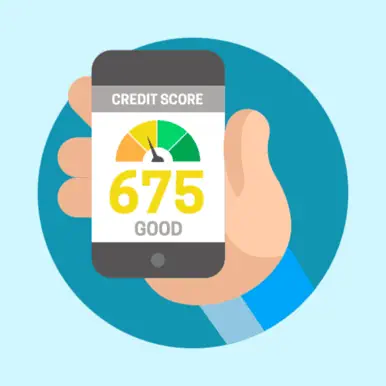
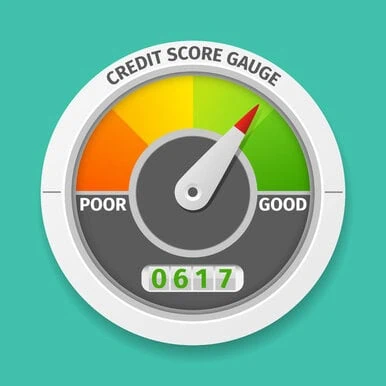
A credit score is a three‑digit number between 300 and 900 that represents your creditworthiness.
Credit Score Ranges In Canada
| Credit Score Range | What It Means |
| 760-900 | Excellent |
| 725-759 | Very Good |
| 660-724 | Good |
| 560-659 | Fair |
| 300-559 | Poor |
Most lenders consider a score of 660 or higher to be acceptable for credit products like loans, credit cards, and mortgages. But the higher your score, the better your chances of loan approval with lower rates and better terms.
What Affects Your Credit Score?
Credit scores in Canada are calculated using several key factors. Understanding these can help you improve your score over time.
1. Payment History
Payment history is the most important factor. It reflects whether you pay your bills on time. Late payments, missed payments, accounts sent to collections, and bankruptcies all negatively impact your score.
| Pro Tip: Set up automatic payments to avoid missing due dates. |
2. Credit Utilization
Credit utilization is the percentage of your available credit that you’re using. For example, if you have a $10,000 credit limit and you use $3,000, your credit utilization ratio would be 30%. Experts recommend keeping utilization below 30% for the best results.
Learn more: What Should My Credit Utilization Ratio Be?
3. Length Of Credit History
The longer you’ve had credit accounts open, the better. Lenders prefer borrowers with a proven track record. Closing old accounts can shorten your credit history and lower your score.
4. Credit Mix
A healthy mix of credit types, such as credit cards, loans, and lines of credit, can improve your score.
5. New Credit Inquiries
When you apply for new credit, lenders perform a hard inquiry, which can temporarily lower your score. Multiple inquiries in a short period can be a sign of financial distress.
How To Build Credit In Canada
If you’re new to credit or rebuilding after financial difficulties, these strategies can help:
- Get A Secured Credit Card: A secured card requires a deposit and is ideal for newcomers or those with poor credit. Timely payments will be reported to the credit bureaus, which can help you build healthy credit.
- Make Payments On Time: Even one missed payment can significantly impact your score. Always pay on time, and if it helps, consider setting up automatic bill payments to ensure you never miss a due date.
- Keep Balances Low: Aim to use less than 30% of your available credit to keep your credit utilization ratio low.
- Keep Old Accounts Open: Older accounts strengthen your credit history. Consider leaving old accounts open, even if you’re not using them.
- Limit New Credit Applications: Only apply for credit when necessary, since applying for new credit typically requires a hard inquiry.
How Can You Check Your Credit Score In Canada?
Canadians can check their credit score through the following sources:
| Credit Bureaus | You can get your credit score in Canada directly from the credit bureaus. Equifax provides credit scores for free, while only Quebecers can get their credit score for free through TransUnion. All other consumers can get their TransUnion credit score via paid service. |
| Banks | Banks and credit unions often offer free credit score access through online banking, giving you quick updates without affecting your score. |
| Online Platforms | Banks and credit unions often offer free credit score access through online banking, giving you quick updates without affecting your score. |
Note: Checking your own score is considered a soft inquiry and does not affect your credit.
How To Read Your Credit Report
Your credit report includes the following sections and information:
- Personal Info: Your credit report lists details about yourself, like your name, address, date of birth, and employment information to confirm your identity.
- Credit Accounts: It includes all active and closed credit accounts, showing balances, limits, payment status, and how long each account has been open.
- Payment History: This section records whether you’ve paid your bills on time, missed payments, or had accounts sent to collections.
- Credit Inquiries: Every time a lender or organization has checked your credit will be shown, which helps lenders assess how often you apply for new credit.
- Public Records: The public records section includes legal items such as bankruptcies or court judgments that may impact your overall creditworthiness.
| Pro Tip: Review your report at least once a year to ensure accuracy and detect fraud early. |
How Long Do Negative Items Stay On Your Credit Report?
Different negative remarks stay on your credit report for different timelines. Here are a few examples:
- Late Payments: 6 years
- Collections: 6 years
- Hard Inquiries: 3 to 6 years
- Consumer proposals: 3 years after completion
- Bankruptcies: 6 to 7 years after discharge
You’ll need to be patient and wait until these remarks naturally fall off your credit report (unless they were made in error). But in the meantime, it’s important to make responsible financial decisions going forward.
How To Improve A Low Credit Score
If your score needs improvement, here are a few steps you should consider:
- Pay Down High Balances: Lowering your credit utilization ratio can boost your score quickly.
- Set Up Payment Reminders: Avoid late payments, as payment history is the biggest contributing factor to your credit score calculation.
- Dispute Errors: Incorrect information on your credit report can pull your score down.
- Avoid Closing Old Accounts: Old credit accounts contribute to your credit age, which is a good thing for your credit score.
- Consider A Credit‑Builder Loan: Some lenders offer small loans designed to help rebuild credit.
| Signs Of Credit Trouble You may be heading toward financial difficulty if: - You rely on credit to cover basic expenses - You frequently miss payments - Your credit cards are maxed out - You’re only making minimum payments - You’re denied credit due to your score If you’re experiencing these issues, consider speaking with a non‑profit credit counselling agency. |

Final Thoughts
Credit is a powerful financial tool when used responsibly. Understanding how credit works, what affects your score, and how to build strong credit habits can open the door to better financial opportunities in Canada. Whether you’re applying for a loan, renting a home, or planning for the future, a strong credit profile gives you more control and flexibility.