

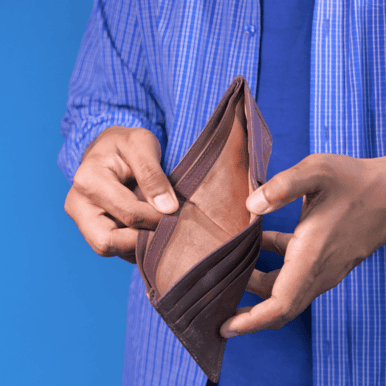
Financial stress from personal debt is a major concern for many residents in BC. Factors like job loss, disabilities, or unforeseen financial crises can complicate the ability to cover everyday expenses.
Fortunately, various debt strategies are available to help individuals in BC regain financial stability. Let’s explore the debt relief options that can help you address your financial challenges.
Debt Relief Options In BC
Here are some common debt relief strategies available in BC. The most suitable option will depend on your unique circumstances:
- Debt Consolidation Loan: A debt consolidation loan allows you to merge multiple debts into one loan, typically at a lower interest rate. This approach simplifies your payments by consolidating several bills into a single monthly installment, potentially reducing your overall interest costs.
- Debt Consolidation Program: A debt consolidation program is a repayment plan organized by a credit counsellor. They negotiate with your creditors to combine your debts into one monthly payment. Unlike a debt consolidation loan, this option does not involve taking on new debt, but focuses on making your payments more manageable.
- Consumer Proposal: A consumer proposal is a formal agreement with your creditors to repay a portion of your debt over a specified timeframe. If accepted, this proposal halts all collection actions and additional interest, allowing you to keep your assets while your debts are settled for less than the total amount you owe.
- Bankruptcy: Bankruptcy is a process that can relieve you of most unsecured debts. It immediately stops collection calls and wage garnishments, although it may result in the loss of certain assets and significantly affect your credit score.
Understanding Your Debt In BC
Comparing your debt to the provincial average can help you assess your financial risk and determine whether you might benefit from professional assistance. If your debt significantly exceeds this average, it may be wise to investigate available relief options.
Currently, the average non-mortgage debt for consumers in BC stood at $22,631, marking a 3.33% increase from the previous year. This rise is largely attributed to high housing costs, inflation, and stagnant wage growth.
Need Help With Debt?
If you find your debt situation overwhelming and self-help strategies aren’t working, consider seeking professional assistance. Credit counselling services can help you establish a repayment plan, create a household budget, and explore tailored solutions.
For more serious programs, such as bankruptcy or a consumer proposal, it’s recommended to consult a Licensed Insolvency Trustee (LIT), as only they are authorized to manage these processes.
| Do Credit Counsellors Need Licensing in BC? No, credit counsellors in BC are not required to hold a license, unlike Licensed Insolvency Trustees. |
Finding A Credit Counsellor Or LIT In BC
If you’re searching for professional help with your debt management, numerous organizations and experts are available to assist you based on your financial needs.
Consider exploring the following agencies and resources when seeking debt support:
| Agency | Services Offered | |
| BDO Debt Solutions | – Consumer Proposals – Bankruptcy – Credit Counselling – Budgeting Support – Debt Consolidation Advice | Learn More |
| Grant Thornton Debt Solutions | – Consumer Proposals – Bankruptcy | Learn More |
| Credit Counselling Society (CCS) | – Credit Counselling – Bankruptcy Help – Debt Consolidation – Debt Settlement Program – Consumer Proposal – Debt Management Program | Learn More |
Debt Consolidation Loans
A debt consolidation loan is a financial solution that enables you to combine various debts, like credit card balances and personal loans, into one loan. This can simplify your monthly payments and potentially lower the overall interest you pay compared to managing multiple debts.
There are different types of loans suitable for debt consolidation:
| Personal Loans | Personal loans provide a lump sum that you repay in fixed installments over a specific time period. |
| Second Mortgages | Homeowners can tap into their property’s equity to consolidate debts through a second mortgage, often at a more favourable interest rate than unsecured loans. |
| Balance Transfers | If you have substantial credit card debt, balance transfer credit cards allow you to move balances from high-interest cards to one with a promotional 0% or lower interest rate for a limited time. This can help minimize interest costs if the balance is paid off within the promotional period. |
Does Debt Consolidation Affect Your Credit Score?
Obtaining a consolidation loan may lead to a temporary dip in your credit score due to hard inquiries during the application process. Additionally, closing paid-off credit accounts can shorten your credit history and affect your credit mix, potentially impacting your score negatively.
However, if you consistently make timely payments, you may see improvements in your credit score over time.
Debt Management Program (DMP)
A debt management program is a structured plan where a credit counsellor negotiates with your creditors on your behalf. The objective is to create a repayment plan that aligns with your financial capabilities.
The counsellor will first assess your financial situation to determine if a DMP is appropriate for you. Once enrolled, the counsellor will negotiate to lower interest rates, eliminate fees, and halt collection calls. If creditors agree, your debts will be consolidated into one manageable monthly payment, which you will pay directly to the credit counsellor, who will then distribute the funds to your creditors.
Learn more: Debt Management Program (DMP)
Debt Settlement
Debt settlement involves negotiating with creditors through a debt settlement company to establish a repayment plan that benefits everyone. If negotiations are successful, you will make a lump-sum payment to the settlement company, which will then allocate the funds to your creditors to settle your debts.
Consumer Proposal
A consumer proposal is a formal agreement where a trustee negotiates with your creditors for you. The LIT presents an alternative repayment plan that promises to repay a portion of your total debt over a specified time frame.
This option is suitable for individuals with unsecured debts totalling less than $250,000 (excluding mortgages) and can potentially reduce your overall unsecured debt by up to 80%, depending on your situation.
Bankruptcy
Bankruptcy is a legal process intended as a last resort for individuals unable to meet their debt obligations. It allows for the discharge of most unsecured debts while providing protection from creditor actions. Managed by an LIT, bankruptcy stops legal actions and wage garnishments.
During the bankruptcy process, you will make payments to the court over a period of nine months, which may extend to 21 months if you have surplus income. After fulfilling your obligations, you will be discharged, releasing you from your debts.
Learn more: Bankruptcy British Columbia
Key Considerations When Seeking Debt Assistance In BC
Before choosing a debt relief strategy, it’s important to keep the following factors in mind.
Understand Your Rights
If you have outstanding debts, creditors may take actions to recover what they are owed. In BC, debt collection practices are regulated by the Consumer Protection BC and the Business Practices and Consumer Protection Act, which includes the following stipulations:
- Creditors must hold a valid license.
- They are prohibited from harassing consumers, providing misleading information, or contacting consumers outside of designated hours.
- Written communication must be sent to consumers before any debt collection efforts begin.
If you believe a creditor has treated you unfairly, you can reach out to Consumer Protection BC:
- Phone: 1-888-564-9963
- Email: operations@consumerprotectionbc.ca
- Mail: PO Box 9244 Victoria, BC V8W 9J2
Be Aware of Scams
While many credit counselling services are reputable, some fraudulent organizations may exploit those experiencing financial distress. Look out for warning signs of potential scams, including the following:
- Requests for upfront payments before services are provided.
- Guarantees of quick debt elimination or instant credit repair.
- Pressure to sign contracts right away.
- Requests for sensitive financial information over the phone.
- Lack of a physical office.
To protect yourself from fraud, consider these precautions:
- Read reviews from previous clients online.
- Verify the agency’s contact details and physical address.
- Avoid sharing personal financial information until you’re confident in the agency’s legitimacy.
Watch Out For Fees
Credit counselling and LIT services may charge fees. Some counselling agencies offer free initial consultations, but be aware that fees may apply afterward. It’s crucial to inquire about all potential charges upfront.
LIT fees are regulated by the government and are generally included in the overall debt relief process, meaning separate or advance payments are typically not necessary.
Additional Programs In BC To Help With Debt Relief
In addition to the previously mentioned debt relief options, there are several other programs available in BC that are designed to help residents manage their essential living costs. Here are some examples:
Rent Support
The Rental Assistance Program offered by BC Housing assists qualifying low-income families by providing financial aid to help with their rent expenses.
Learn more: Rent Assistance Programs In Canada
Utility Support
Residents of BC who are struggling to pay their electricity or gas bills may qualify for a utility supplement to help cover these costs.
Emergency Shelters
Anyone facing homelessness can find temporary housing with a number of emergency shelters across the province, including the following:
- Yukon Shelter and Housing Centre – Lookout Society: 2088 Yukon St, Vancouver, BC V5Y 4B1
- House of Hope Emergency Shelter: 650 Old Hope Princeton Way, Hope, BC V0X 1L4
- Salvation Army Gateway of Hope: 5787 Langley Bypass, Langley, BC V3A 0A9
Food Banks
Numerous food banks are located across BC, offering food supplies to families in need who are having trouble affording groceries. Here are a few to check out:
- The Greater Vancouver Food Bank: 8345 Winston St, Burnaby, BC V5A 2H3
- Guru Nanak Food Bank Surrey: 15299 68 Ave unit 101, Surrey, BC V3S 2C1
- Central Okanagan Community Food Bank: 2310 Enterprise Way, Kelowna, BC V1X 4H7

FAQs On Debt Relief In BC
How is bankruptcy different from a consumer proposal?
Can debt consolidation help in BC?
Will debt relief affect my credit score?
How do I know which debt relief option is right for me?
What risks should I watch out for?
®Fairstone Financial Inc. is a wholly owned subsidiary of Fairstone Bank of Canada.
*Interest rates are subject to change. Actual Annual Percentage Rate (APR) varies based on the province of residence and individual factors like credit details and loan amount. The interest rate on an unsecured personal loan is 31.99% in BC.
Fairstone Financial Inc. holds high-cost credit licenses in AB, MB (License #85047, expiring 20-02-2026) and QC; it has applied for a high-cost credit grantor license in NL. For license information by province, visit Fairstone.ca/HCCG