



Failing to make your loan payments after several attempts from the lender to recoup what they’re owed could result in them selling your debt to a collection agency. If this happens, you might wonder what a collection agency can do to collect your unpaid debt.
Key Points:
- Collection agencies in Canada can pursue legal action, including wage garnishment or placing a lien on your home, but only after obtaining a court judgment within the statute of limitations.
- They must follow strict regulations, such as providing written notice before contact, calling only during permitted hours, and avoiding harassment or sharing your debt details with others.
- You can stop or manage collection efforts by verifying the debt, negotiating a settlement or payment plan, or filing a consumer proposal or bankruptcy if needed.
What Is A Collection Agency?
A collection agency is a company hired by lenders to recover unpaid debts. If you fall behind on payments, your creditor may either assign or sell the debt to a collection agency. The agency will then take over attempts to collect the amount owed, following strict regulations set by provincial and federal laws in Canada.
Note that if the company you originally owed money to has sold your debt to a collection agency, then you can only deal with them moving forward.
What Can A Collection Agency Do To You In Canada?
Collection agencies are often more aggressive and persistent when it comes to collecting your debt compared to lenders, and will put much more pressure on you. Fortunately, there are rules and regulations in place to protect borrowers from unethical collection practices.
Can A Collection Agency Contact You?
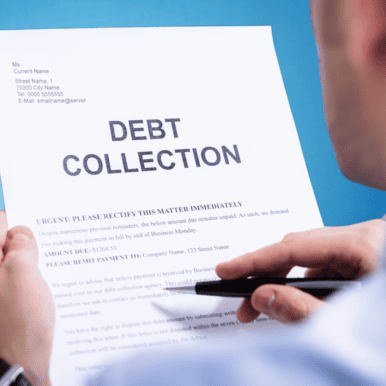
Before a debt collection agency can start pursuing the debt you owe, they must give you a written notice that includes:
- Their business name
- The debt they are trying to collect (the lender you owe money to, and how much you owe)
Debt collectors must wait a certain amount of time after sending written notice before they can contact you. For example, in Ontario, collection agencies must wait six days after sending the written notice before contacting you.
While these rules do exist, collection agencies may be aggressive and contact you sooner. If you’re caught off guard on the phone, ask them to send you the details in writing by mail.
Can A Collection Agency Call You At Work?
Yes, a collection agency can call your workplace. However, there are some rules your debt collector must follow. The only reason they are permitted to contact your workplace is to verify your employment; once they have done that, they are not allowed to contact your workplace anymore.
Also, when they do make that one call to your workplace, they cannot disclose the existence of your debts, so you don’t have to worry about everyone at work knowing about your financial issues.
However, if you’ve given them permission in writing to contact you at work, then they may do so.
Can A Collection Agency Call Your Friends And Family?
Collection agencies can only call friends and family to inquire about your address and phone number. They cannot call them to discuss your debt or suggest that they pay the debt for you. The only person they can call regarding your debt is a co-signer or someone you have requested they contact — such as your lawyer.
Can A Collection Agency Call You Any Time?
No, there are strict rules about when and how a collection agency can call you.
Generally, they can call you between They can call you from 7 am to 9 pm Monday to Saturday and between 1 pm and 5 pm on Sundays. They cannot call you at all on holidays. And, unless you’ve given them your cell phone number as your primary contact information, they are not allowed to call you on your cell.
However, this can vary slightly depending on the province you live in, as each province has their own debt collection laws and regulations:
| Monday To Friday | Saturday | Sunday | ||
| Alberta | 7 am to 10 pm | 7 am to 10 pm | 7 am to 10 pm | More Info |
| British Columbia | 7 am to 9 pm | 7 am to 9 pm | 1 pm to 5 pm | More Info |
| Ontario | 7 am to 9 pm | 7 am to 9 pm | 1 pm to 5 pm | More Info |
| Quebec | 8 am to 8 pm | 8 am t0 8 pm | Not Allowed | More Info |
| Nova Scotia | 8 am to 9 pm | 8 am to 9 pm | Not Allowed | More Info |
| New Brunswick | 7 am to 9 pm | 7 am to 9 pm | 1 pm to 5 pm | More Info |
| Manitoba | 7 am to 9 pm | 7 am to 9 pm | Not Allowed | More Info |
| Prince Edward Island | 8 am to 9 pm | 8 am to 9 pm | Not Allowed | More Info |
| Saskatchewan | 8 am to 9 pm | 8 am to 9 pm | Not Allowed | More Info |
*Please Note: Collection agencies cannot call you on statutory holidays.
Can A Collection Agency Charge You Interest Or Fees In Canada?
No, a collection agency cannot charge interest on the debts they are collecting, nor can they charge you any fees for their collection service. However, the amount you owe may already include interest you may have incurred with your original creditor.
Can A Collection Agency Take You To Court In Canada?
Yes, a collection agency can take legal action against you if you refuse to repay your debts. If they decide to file a lawsuit against you, they will send you a written notice of legal action. If you fail to attend, your creditor would win by default.
Can A Collection Agency Garnish Your Wages?
Yes, a debt collector can collect on overdue debt by having your wages garnished. However, to do this, they must first take you to court and get a judgment against you. The amount that can be garnished depends on your income and the type of debt you owe.
Again, a debt collection agency must act within the statute of limitations in your province to take you to court to have your wages garnished. Once this time frame expires, they are no longer legally able to sue you and have your wages garnished.
Learn more: Wage Garnishment In Canada
Can A Collection Agency Seize Your Home?
Depending on the province, a debt collector may be able to obtain a judgment against you in court to register a lien on the title of your home. This may be true even if you never used your home as collateral for the debt in question.
If you don’t repay your debt, the collection agency could then obtain a court order to sell your home and use the proceeds of the sale to satisfy your debt. This is an expensive and serious process. Creditors and collection agencies would only choose this option if the debt in question is significant.
Again, the debt collector must exercise this option within the statute of limitations. Otherwise, they cannot put a lien on your home and seize it for non-payment of debt.
Will A Collection Agency Take You To Court If Your Debt Is Small?
A debt collector could technically sue you to collect a small debt, but it’s unlikely to happen. A small amount of debt may not be worth pursuing in court, especially if the cost of the lawsuit exceeds the amount of the overdue debt.
Will A Collection Agency Take You To Court If Your Debt Is Big?
If your debt is large enough to make it worth the cost of suing you, a collection agency could take you to court to collect the overdue debt. As long as the statute of limitations has not yet passed — which differs depending on the province you live in — a debt collector is within their rights to take legal action.
For instance, the statute of limitations for debt in Ontario is two years. That means a debt collection agency has two years from the date of your last charge, payment, or written acknowledgment of your debt. But once that time frame has passed, a debt collector can no longer threaten litigation, though they can still try to collect the money outside of court.
How Can You Stop Actions From A Debt Collector?
The best way to stop a collection agency from continuing to pursue you and potentially take you to court is to pay your debt. But if this is impossible for you, your creditors or debt collectors could continue to hound you for your unpaid debt and threaten to sue you for payment.
To put a stop to litigation, there are a couple of options you may want to consider:
Offer A Settlement
If you’re able to pay at least part of your debt, consider making the collection agency an offer to settle your debt. You could offer a payment amount that is less than what you owe, or agree to a payment plan that allows you to repay your debt through affordable payments over a specific time frame.
You may need to enlist the services of a debt settlement company that can negotiate with your creditors and come up with a plan to satisfy your debt.
File A Consumer Proposal Or Bankruptcy
If your debt situation is dire, you may need to resort to a consumer proposal or bankruptcy. These are legal forms of debt relief that require the assistance of a Licensed Insolvency Trustee (LIT) and are governed under the Bankruptcy and Insolvency Act (BIA).
Both debt relief options are designed to relieve you of your debt and avoid litigation from creditors and debt collectors. However, they both negatively affect your credit score, and bankruptcy could mean the loss of some valuable assets.
Learn more: Debt Relief Guide
What A Debt Collection Agency Cannot Do?
While the laws vary by province, certain practices are not allowed, no matter where you live:
Harassment
Collection agencies cannot speak to you, your family, your friends, your employer or anyone you know in a manner that constitutes harassment. This includes:
- Using threats or profane or coercive language
- Using too much pressure, including excessive calls (depending on the province you live in, the number of times a debt collector can contact you will vary)
Learn more: Canadian Debt Collection Laws: How To Stop Collection Harassment
Provide Fake Information
Collection agencies cannot provide or even imply false information. Any attempt to mislead you is prohibited.
Threaten Legal Action Without Consent From Creditors
Debt collectors cannot threaten you with legal action unless they have written authority from your creditor. They also cannot threaten you with legal action if they have no lawful authority.
What Should You Expect When Dealing With A Collection Agency?
Dealing with these collection agencies can be intimidating, and understanding the process can help you become more comfortable when working with them.
- Initial Contact: The collection agency will first reach out with a written letter informing you that your account has been sent to collections. It will typically include a request to restart your payment plan.
- Follow-Up Phone Call: About 5 to 7 days after the letter (depending on the province you live in), you’ll get a phone call from the agency. They will continue calling until they successfully reach you.
- Direct Communication: The agency will identify itself and explain what you owe, as well as all necessary details about your debt and the collection process.
- Resolving The Debt: You’ll be expected to begin repayment or negotiate a payment plan. Paying off your debt is strongly advised to avoid further consequences.
| Warning: Legal Risks If Ignored If you don’t respond or settle the debt, you may face legal action. Cooperating with the agency helps prevent things from getting worse and protects your financial health. |
What Should You Do If Your Debt Is Sold To A Collection Agency?
If your debt is sold to a collection agency, stay calm and take action by doing the following:
- Confirm The Legitimacy Of The Debt: First, verify that the debt is legitimate by requesting a written notice. This document should include the amount owed, the original creditor, and your rights. Review it carefully for errors.
- Check Your Credit Report: Next, request a copy of your credit report to see how the debt is listed and whether it’s affecting your credit score.
- Reach Out To The Collection Agency: Communicate with the collection agency in writing and keep a record of all interactions.
- Pay The Debt: After verifying the debt, your best option is to settle the debt. If you’re able to pay, negotiate a settlement or payment plan, and get the agreement in writing before sending money.
- Know Your Rights: Finally, understand your rights under provincial and federal laws, depending on your location. Knowledge and documentation are key.
Will My Credit Score Improve If I Pay Off Debt That’s Been Sent To Collections?
Paying off personal debt is always a responsible move. However, if your debt has been sold to a collection agency, settling that account doesn’t guarantee an immediate boost to your credit score. Even after the debt is paid or settled, the collection account may remain on your credit report, depending on how long it’s been there.
This means lenders and creditors can still see that you had an account in collections, which could influence their decision to approve you for new credit. Even if you are approved, you might face higher interest rates due to the perceived risk.
That said, eliminating a collection account from your credit report is still a smart step. It shows that you’ve taken responsibility for your debt, and over time, it can help improve your overall credit profile.
Learn more: Does Paying Off Collections Improve Credit Score In Canada?

Bottom Line
While a collection agency can take aggressive steps to collect debt owed, there are also laws to protect you from debt collection practices that are considered aggressive and unethical. Depending on the province you live in, the rules may vary, so be sure to consult with your province’s debt collection regulations. You can also contact your provincial or territorial consumer affairs office if you’re having trouble with your debt collector.